

Why Universal Hepatitis B Vaccination Isn’t Quite Universal
I am just a parent with some questions about vaccine safety and was happy to find your website. I have noticed that the Scandinavian countries do not routinely recommend HepB vaccination unless the mother is a known carrier. I did not see this addressed anywhere on your website and I hope you or one of your colleagues might consider discussing the reasons that some advanced countries are not routinely giving this particular vaccine. Thank you.”
Vaccination is a complicated and at times confusing topic that generates a large number of quite reasonable questions by parents like the one above. At the same time, the ever-wandering aim of the anti-vaccinationist movement appears once again to be falling on the vaccine against Hepatitis B, and I’ve heard them pose this very question with the intent of sowing doubt in the current vaccination schedule. Regardless of the source, this question is clearly on the mind of some parents, and I am happy to answer it.
As usual, this question has quite a bit to parse out. I think it may be most helpful to examine why we vaccinate against Hepatitis B the way we do in the US, how most countries in the world approach the problem, and finally examine the reason why eight European countries do not universally vaccinate against HBV. First things first though: what is Hepatitis B?
HEPATITIS B
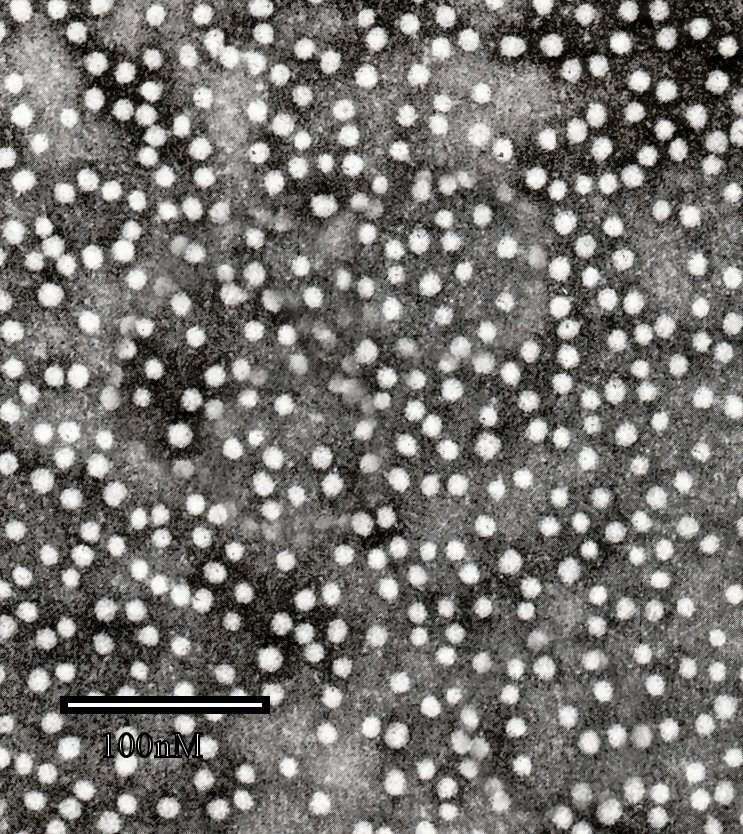
Hepatitis B (HBV) is a double stranded DNA virus found in the bodily fluids of infected people including their blood, semen, and saliva, and can be transmitted through sexual contact, exposure of infected fluid to mucous membranes, or through injection.
As the name suggests, infection causes damage primarily to the liver, though the spectrum of disease experienced by any one person can be quite broad. In adults, 50-70% of infections are asymptomatic or mild enough to not come to medical attention. The remaining adults experience a range of hepatitis lasting weeks to months, with ~1% of these being a fulminant, life-threatening infection. Adults are relatively efficient in their ability to clear the virus after the initial infection, and only ~10% become chronicly infected carriers.
Children, on the other hand, present a very different pattern of disease. Though ~90% of infected children are initially asymptomatic, they are rarely able to clear the virus. 90% of infants and 25-50% of those 1-5 years old will become lifelong carriers.
Chronic Hepatitis B infection is a serious problem. Beyond the ability of most chronic carriers to spread the virus throughout their lives, ~ 20% of people with chronic Hepatitis B develop cirrhosis, a condition where the liver cells are lost and the liver becomes progressively more fibrotic and dysfunctional.
Cirrhosis isn’t the only life-limiting problem to result directly from chronic Hepatitis B infection. Hepatocellular carcinoma, a primary cancer of the liver, is in the top 10 cancers in both sexes in the US, and 60-80% of all cases are cause by Hepatitis B. All told, around 25 % of people who become chronically infected with Hepatitis B will die from its complications.
Hepatitis B is a major cause of worldwide morbidity and mortality. More than 1/3 of the world’s population has been infected with Hepatitis B and 5% are chronic carriers. That totals up to around 350,000,000 people chronically infected, and around 620,000 deaths from HBV yearly.
As in many health care related issues, the worldwide epidemiology of HBV infection does not necessarily reflect that of the United States. Even so, the picture isn’t particularly pretty. Around 5% of the US population has been infected with Hepatitis B, and 0.3 are chronic carriers. Most HBV infections occur in those aged 25-44 (4/100,000), with the lowest rates of infection in those under 15 (0.1/100,000). In 2007 4,519 new cases in the US were reported to the CDC, though this represents a fraction of the total number of infections.
These numbers are significant. To put this in perspective, the mortality from HBV in the US was 5 times higher than Haemophilus influenza type B and 10 times greater than measles before vaccination was introduced.
The Hepatitis B Vaccine
HBV is a relatively stable virus posing a serious public health threat with humans as the only known reservoir, and as such is a prime target for prevention, and theoretically eradication, through vaccination. The first vaccine against HBV became available in 1981, and the current recombinant vaccine has been in use since 1986. As a recombinant vaccine it contains proteins normally made by HBV, but does not have the virus itself, and therefore carries no risk of HBV infection.
As far as efficacy is concerned, the HBV vaccine has a very high response rate, inducing an appropriate antibody response in more than 95% of people from birth to 30 years of age, and decreasing but still significant response rates in older age groups. Immunity from the vaccine lasts at least 20 years in healthy individuals.
The HBV vaccine has an excellent safety record. The most common side effects are pain and swelling at the injection site in ~3% of people, and fever in ~1%. The only serious confirmed reaction is anaphylaxis that occurs in 1/600,000 injections with no deaths reported in over 20 years of use. Concerns regarding the HBV vaccine’s association with demyelinating diseases, the use of thimerosal in its formulation in the past or aluminum at the present have all been investigated and found to be without support; I will give such allegations no further time in this post.
Strategies of Hepatitis B Vaccine Use
There are a number of viable strategies available to countries seeking to address the spread of HBV in their populations, and variants on each. When deciding which strategy is best for any given country, there are multiple factors to consider, including disease severity, the availability and efficacy of treatments, the risk and cost of infection, the risk, efficacy and cost of vaccination, etc.
The first option is to vaccinate people at high risk of infection. In situations where the risk of infection is very low this makes good sense. For instance, in the US the risk of contracting Yellow Fever is essentially zero at baseline without vaccination. No risk or cost of vaccination, no matter how small, is small enough to offset zero risk of disease, therefore we do not routinely vaccinate against it. However, if you were to travel to an area where Yellow Fever is endemic, your personal risk can suddenly become significant, and easily justify the minimal cost and risk of vaccinating you as a person at high risk.
Since the majority of people infected with HBV have identifiable risk factors, this approach makes some sense. However, it has several major drawbacks. It requires all individuals in a high-risk group to have health care, be identified, and to acquire the vaccine before they are infected. This is labor and cost intensive, and extremely unlikely to capture the entire target population. Well executed, this approach can protect a majority of people at high risk, but in the case of HBV it will not immunize a large enough population to generate a herd immunity effect. The greatest flaw of this approach lies in the 1/3 of HBV infections that occur in people with zero known risk factors who, by definition, are unable to further reduce their risk, and are left unprotected by a vaccine. These shortcomings guarantee this strategy will fail to fully control the spread of HBV in the community.
The second approach is to vaccinate the entire population as they enter into the age of greatest incidence of infection, adolescence and early adulthood. This addresses one of the shortcomings of the first strategy, namely the need to identify people at high risk. It also takes advantage of the fact that children more reliably have health-maintenance office visits than do adults, and are more likely to be given vaccinations as part of a universal schedule.
Though this captures a large majority of the total number of infections, it too has a flaw; it fails to address the people infected in early childhood. Though this is a relatively small number of people (4% of HBV infections), remember that children are far more likely to become lifelong carriers, and thus make up a disproportionate number of the infected at any one point in time (24% of chronic carriers). While more effective at reducing the prevalence of HBV in the population than only vaccinating high-risk groups, this strategy too has little hope of eliminating HBV.
The third possible strategy is to vaccinate people at the time of birth. This strategy addresses the problem of perinatal infection, prevents the acquisition of HBV by people during early childhood when the risk of chronic infection is highest, and since the immunity it induces lasts for decades it covers the entire population during the highest risk times of their lives. Universal vaccination with HepB vaccine at birth, even in regions with a low prevalence of chronic carriers like the US, could reduce mortality by an additional 10-20% compared to early childhood vaccination.
Even this strategy has a drawback, however, and that is time. Beginning an immunization program with only infants would take a few decades to generate a maximum reduction in HBV in the population.
The US Vaccination Strategy
Though the burden of disease from HBV in the US is relatively low compared to say, heart disease, it remains a significant public health threat only partially addressed through screening, education, and preventative measures, and with limited treatment options. This makes it an ideal target for vaccination.
From 1981 through 1991 the US vaccinated only people with identified risk factors. Predictably, this campaign had an underwhelming effect on HBV infections seen during this time period.
In 1991, the strategy was reworked to better address the various methods of HBV transmission in an attempt to eliminate HBV spread in the US. The new strategy is an amalgam of all three strategies described earlier. In addition to vaccination of high risk groups, we began universal vaccination of all infants at birth, vaccination of adolescents, and prenatal screening of pregnant women to identify children who would require not only vaccination at birth but also Hep B immunoglobulin (HBIG).
Since its launch in 1991, we have seen a steady decrease in Hepatitis B infections. Hep B incidence in the US fell from 10.7/100,000 in 1983 to 2.1 per 100,000 in 2004. (25,916 total cases down to 6212 cases). Though it’s true other factors have been contributing to HBV’s decline, most notably the public education campaign aimed at curbing the spread of HIV, this doesn’t account for the pattern of HBV decline across age groups. There has been a 95% drop in HBV in people under 15 years of age, 87% in ages 15-24, 71% from 25-44, and 51% decrease in people over 45 years old. This is precisely what you would expect from a pediatric vaccination campaign.
Using a cost effective and exceptionally low-risk intervention of universal Hep B vaccination the US is well on its way to control, if not elimination, of HBV.
The Northern European Vaccination Strategy
The strategy taken by the US is typical of most developed nations, even those with a relatively low incidence of HBV. In 1992 the WHO recommended the inclusion of HBV vaccination in nearly all national vaccination programs. Since that time, the vast majority of countries (177/193 countries) have adopted infant HBV vaccination into their childhood schedules as can be seen here. This graphic also illustrates the few countries that have instead opted to vaccinate only high-risk individuals, primarily those in Northern Europe, including Scandinavia.
The reason these countries have not adopted universal vaccination against HBV is the exceptionally low level of HBV in their population and the associated costs of prevention. Sweden, for instance, has one of the lowest prevalences of HBV in the world at 0.05%. This is 6 times lower than what we have in the US, with the majority of cases occurring in those engaged in high-risk activities or in immigrant populations that tend to have minimal contact with the indigenous population. The public health organizations of these Northern European countries consider HBV to be a minor public health problem best addressed by targeted vaccination. The cost of instituting universal vaccination would not offset the benefit of further reduction in HBV prevalence in their countries.
It is interesting to note that though these countries have low baseline rates of HBV infection, they have not generated the same relative decrease in rates that countries, like the US, have been able to produce with universal HBV vaccination. This fact, in combination with high immigration rates to these countries from areas of heavy HBV, makes it likely that the cost/benefit ratios of the Northern European countries will sway even more strongly in favor of universal HBV vaccination over the next several years.
It is also worth noting that of the many factors being weighed by the medical community and public health officials of these Northern European nations, serious concerns of the Hepatitis B vaccine’s efficacy or safety are not among them.
Conclusion
We will continue to make progress in medicine by never being satisfied the care we provide is good enough; the ongoing debate about how best to apply the Hepatitis B vaccine is an excellent example of this concept. The inconsistency between these nations’ vaccination policies is little more than physicians and health care officials seeking the most efficient and effective use of the vaccine within the unique conditions inside their borders.
Posted in: Public Health, Science and Medicine, Vaccines
Leave a Comment (126) ↓
“”Every time I hear the “too many too soon” mantra, it’s relating to chickenpox and hep b, and I’d like to know how to respond.”"
I hear those same arguments, and these are the responses I give. As far as chicken pox, my ped told me (and I’m too busy right now to look for studies, maybe later, I have them bookmarked at home) that they are seeing increased cases of MRSA secondary to the cpox. Either as the skin infection or the MRSA-related pneumonia. Second is the herd immunity concept. Sure, to a normal healthy kid, it’s “just the chicken pox.” But to a high-risk or immunocompromised person, it’s not. To my neighbor going thru chemo or the student in my class with lupus, it’s not “just the chicken pox.”
As far as hep B, it’s about compliance. My kids are done with their Hep B shots. Complete, finished–don’t have to think about it anymore. And science has not given us any reason to think that it is not safe to vax against this at this young age. I have a friend who also is very pro-vax, and took her kids to the ped the other day, only to realize that her older kid had a Hib shot to make up, from when there was a shortage. Poor little kid was a mess because she now is older and more afraid of shots. It took her forever to regroup and stop crying.
I really feel for these kids whose parents do the staggered/delayed thing and the poor kids are subjected a shot every month for almost 2 years or some such thing. I’m exaggerating and referring to the published Sears protocol. Who wants to put their kid through that? Get it over with when they are young and have no memory of it. Again, there is no evidence out there that doing it at this young age is unsafe.
provaxmom:
You can get all sorts of unpleasant sequelae from chickenpox, and bacterial infections are one of them.
MRSA is a growing problem. I’m a bit of a space geek, so I have to mention that one of the cool bits of research going on aboard the International Space Station right now involves vaccines. It’s a special kind of research that requires sustained microgravity, and therefore can be done nowhere else. Basically, to find an effective vaccine for MRSA, you need to work out which antigens are common to the nasty staph. After all, Staphylococcus aureus is actually a very common species of bacterium. How do you know which genes uniquely identify the ugly methycillin resistant varieties, the actual MRSA ones? By taking a sample and then breeding the hell out of it. This is time consuming, but scientists years ago stumbled upon something rather surprising: bacteria reproduce much more quickly and efficiently in microgravity than they do in a petri dish on Earth. This may be simply because it’s easier to spread three-dimensionally up there. (That’s a fact that is exploited in some cancer research done in space; it’s hard to grow a representative model of an ovarian tumor on Earth, even using real ovarian tumor cells, because gravity will flatten it out in a way that doesn’t happen in the body. That’s not a problem in orbit, so ovarian tumor cells have been cultured aboard the ISS to provide better research material.) Last August, STS-128 delivered a canister full of growth medium and MRSA to the ISS. It’ll breed there for a while, then be returned to Earth, probably also aboard the Shuttle. (Note: it might have come back with STS-129, which landed last Friday. The AstroGenetix website doesn’t say.) It would be years before they’d have an effective vaccine, but it could be a very valuable prophylaxis for people at greater than usual risk of contracting a bacterial infection — or, theoretically, even a way of treating an actual MRSA infection. My grandfather has chronic MRSA, so this is something that has personal interest for me.
Zoe237:
One of the risk factors is having a mother with HBV; considering how many people are believed to carry HBV without knowing it, I can see where a single sexual misdeed four generations ago could lead to an active case of hepatitis now in a person who has no idea how they could have gotten it. What it comes down to is that you really don’t know what your risk factor really is. You can know that it’s less than, say, a heavily promiscuous gay man who uses heroin and “recycles” the needles. But you can’t know just how much lower. The vaccine is a way of hedging your bets.
There’s also the problem that Chris described: there are more ways to be exposed than by having sex with somebody, and these ways will be more significant to children than adults. One of the big reasons that public health wants to target children is because they are such good vectors for disease. They don’t know you shouldn’t pick your friends nose and eat the boogers. At my elementary school, there was a game that went around for a short while before the teachers found out and put a stop to it. Kids would dare each other to scrape skin off the backs of their hands until it bled. It was all about pain tolerance, but we were kids; we didn’t know about blood-borne pathogens. If one of us had been positive for the virus, could they have unknowingly infected others? (For the record, it was stopped before anybody dared me; I found out about it when the teachers were lining us all up in the hallway to inspect our hands and see who had been involved so far.)
Ahh this is fun. First, this is totally irrelevant to what I’m talking about. You keep harping on the order, when I could really care less. Second, it backs up my point! Recognition happens when the macrophage binds the antigen through surface proteins, not intracellularly. Where does recognition occur? For all steps in the process of immune response, it happens on the surface of cells. That’s my point, and you’ve done nothing (other than call me crazy and recite back to me passages from my immunology books) to show me otherwise.
Disagree. Infection is an active, parasitic, process which antigens themselves cannot do on their own.
“” Vaccine antigens, whether live or killed, MUST infect the cells to enable an immune response. ”
Disagree. Infection is an active, parasitic, process which antigens themselves cannot do on their own.”
You have to realize that Th1Th2 here holds the belief that if he has a picture of Megan Fox with him in bed it is the same as if she was actually there.
Th1Th2,
The accepted medical definition of infection is:
“An infection is an invasion and multiplying of pathogenic microbes in the body tissues in which they are not usually present.”
For a pathogen to be infectious it need to fulfill both of those requirements for invasion and multiplication. The HepB vaccine, being a recombinant protein, has no DNA to provide for viral replication. There is no possible way that it could actually infect a cell. Feel free to show otherwise.
Uptake of viral pieces by phagocytosis or any other protein antigen, receptor mediated or otherwise, is not even remotely the same as viral invasion. If that were the case, then you would say your body is constantly being infected by cytokines, chemokines, and a whole host of other proteins that you make yourself. All of those proteins enter your cells through receptor mediated endocytosis or phagocytosis. You are incorrectly using terminology to promote your rhetoric.
“What it comes down to is that you really don’t know what your risk factor really is. You can know that it’s less than, say, a heavily promiscuous gay man who uses heroin and “recycles” the needles. But you can’t know just how much lower. The vaccine is a way of hedging your bets.”
Yes, but I know my risk factor is zero, because, one, I’ve been tested, and two, we’ve been vaccinated as adolescents. I guess I would have to see numbers to be convinced that there is really any chance that a child could pick up hepatitis b at preschool. I have looked into it and can only find that children are infected by perinatal transmission or by actually living with somebody who has it. E.G. sharing toothbrushes. Has there ever been a documented case of spread of hep b in children in public?
Chris, I did look up numbers of my county (very briefly) and the only thing I could find was 9 cases for HBV reported for 2005, and 11 for 2004 (acute and chronic combined). We live in a small county (about 250,000), and I’m sure underreported, but this still seems very low. I suppose that could also be the number of new cases.
Gross story Calli! But fascinating about MRSA research in space.
Provax mom: I don’t think it would be any more shots if low risk kids were vaccinated against chicken pox and hepatitis B at ages 11-12. And it’s the same thing with MRSA and CP- what is the actual number of times this happens? If it’s 1/500, I get it. If it’s 1/500,000, I don’t. Good point about the immunocompromised kids.
watcher said, “Recognition happens when the macrophage binds the antigen through surface proteins, NOT INTRACELLULARLY. Where does recognition occur? For all steps in the process of immune response, it happens on the surface of cells. That’s my point, and you’ve done nothing (other than call me crazy and recite back to me passages from my immunology books) to show me otherwise.”
(Emphasis added)
Please read and learn:
Intracellular Recognition of Lipopolysaccharide by Toll-like Receptor 4 in Intestinal Epithelial Cells
http://jem.rupress.org/cgi/content/full/198/8/1225
You intentionally eliminated antigen PRESENTATION from your response because you were shocked to know that antigen presentation also occurs INTRACELLULARLY. You’ve been debunked, unfortunately.
“Antigen processing and presentation are processes that occur WITHIN a cell…”
http://pathmicro.med.sc.edu/bowers/ant-pres.htm
watcher said, “Disagree. Infection is an active, parasitic, process which antigens themselves cannot do on their own.”
Archgl said, “For a pathogen to be infectious it need to fulfill both of those requirements for invasion and multiplication. The HepB vaccine, being a recombinant protein, has no DNA to provide for viral replication. There is no possible way that it could actually infect a cell. Feel free to show otherwise.”
For the sake of argument, the first stage of infection is the introduction of antigen in the cells and then followed by replication, in the case of live vaccines. Killed vaccines are able to infect but not to replicate for obvious reason. Vaccine antigens, whether live or killed, are designed to infect/invade/penetrate/intrude/infest/corrupt/contaminate naive cells. This is an essential requirement for vaccines to work. Without infection there would be no resultant primary response. Vaccine failure is attributed because of no cellular uptake. HbsAg is the surface antigen gene of HBV. It does not carry the gene for replication but it contains the genetic make-up of HBV needed for infection. Remember, infection occurs before replication.
Archgl said, “If that were the case, then you would say your body is constantly being infected by cytokines, chemokines, and a whole host of other proteins that you make yourself.”
Don’t worry our innate immune system is capable of recognizing self-antigens from non-self like vaccine antigens.
weing,
“You have to realize that Th1Th2 here holds the belief that if he has a picture of Megan Fox with him in bed it is the same as if she was actually there.”
I will keep a pic of Megan Fox because she is not a threat to me. Wouldn’t be amazing if I had a date with her personally?
On the other hand, extraneous antigens are invaders that are destined for immediate clearance.
“because you were shocked to know that antigen presentation also occurs INTRACELLULARLY”
That is an incorrect statement. Antigen presentation occurs at the cell surface. Antigen processing and attachment to MHC occurs intracellularly. The link you provided makes that statement incorrectly, unless the author means to include the “cell surface” as still being within a cell. Antigen presentation cannot occur intracellularly, as what cell would be recieving the presentation intracellularly. It doesn’t make sense at all.
“Vaccine antigens, whether live or killed, are designed to infect/invade/penetrate/intrude/infest/corrupt/contaminate naive cells.”
Again, you are using incorrect terminology and understanding of biological terms in order to advance your rhetoric. Non-live vaccine antigens, whether inactivated or recombinant, are incapable of infecting a cell. They may be brought inside the cell by a variety of mechnisms, however, that does not encompass infection. If that is the case, then cells also become infected by a host of other proteins, carbohydrates, lipids, and other substances that cross the cell membrane by either active or passive mechanisms using your definition of infection. The definition you are using for “infect” is incorrect in the biological sense.
“Don’t worry our innate immune system is capable of recognizing self-antigens from non-self like vaccine antigens.”
That statement does not apply to the point I was making at all. It also shows how little you understand innate immunity. The innate immune system does a good job of recognizing non-self, i.e. Toll Like Receptors recognizing LPS, but it does not have any mechanism for removing self-reactive cells similar to what is seen in T cell selection. The innate system does not differentiate between self/non-self at all in the way the adaptive system does. The innate system, therefore, has evolved to recognize molecular patterns rather than a hugely diverse array of protein antigens as would be seen in adaptive immunity.
Archangl,
“The link you provided makes that statement incorrectly, unless the author means to include the “cell surface” as still being within a cell. Antigen presentation cannot occur intracellularly, as what cell would be recieving the presentation intracellularly. It doesn’t make sense at all.”
Because your opinion dose not make any sense. Please do not “read between the lines” haha
“They may be brought inside the cell by a variety of mechnisms, however, that does not encompass infection.”
A syringe that contains HbsAg is the same as
1. needle stick that carries HbsAg.
2. ocular, mucous membrane exposure to blood known or presumed to contain HBsAg
3. human bites by known or presumed HBsAg carriers, that penetrate the skin,
4. intimate sexual contact with known or presumed HBsAg carriers
Hepatis B vaccine is not presumed to contain HbsAg because it does actually contain HbsAg.
“That statement does not apply to the point I was making at all. It also shows how little you understand innate immunity. The innate system does not differentiate between self/non-self at all in the way the adaptive system does.”
Your comments only translates to selective attention to details and of course consistently opinionative.
Read and learn, what else can I say.
Decoding the Patterns of Self and Nonself
by the Innate Immune System
The innate immune system evolved several strategies of self/nonself discrimination that are based on the recognition of molecular patterns demarcating infectious nonself, as well as normal and abnormal self. These patterns are deciphered by receptors that either induce or inhibit an immune response, depending on the meaning of these signals.
http://people.scs.carleton.ca/~soma/biosec/readings/medzhitov-innate.pdf
“Because your opinion dose not make any sense. Please do not “read between the lines” haha”
Who was reading between the lines? Why don’t you try a new tact, rather than just being a troll….actually try to put together a coherent thought. You said “antigen processing and presentation occurs intracellularly.” That is an incorrect statement. It is not opinion, its fact.
Your contention is the HbsAg is the same as an intact Hepatitis B virion, correct? I just want to make sure what you are claiming since you tend to lack clarity.
“Your comments only translates to selective attention to details and of course consistently opinionative.”
What I wrote was entirely accurate. The innate system does not differentiate between self/non-self at all in the way the adaptive system does. Your reference doesn’t really matter since I already agreed that the innate system does recognize self vs. non-self (as a matter of fact I read that paper earlier today when writing my previous response).
In fact, I would say I have a much better grasp on the details of immunity and virology than you will ever get to. Shall we compare immunological resumes? The problem with you is you often get stuck on a particular terminology or sentence without actually understanding the complexity and nuances of the system you are trying to discuss, as you have shown over and over again with your “HbsAg is infecting cells” comments.
“I will keep a pic of Megan Fox because she is not a threat to me. Wouldn’t be amazing if I had a date with her personally? ”
Using your logic just having the picture is the same as having a date with her personally. So it is amazing already.
Archangl508,
“You said “antigen processing and presentation occurs intracellularly.” That is an incorrect statement. It is not opinion, its fact.”
I based my answers from reliable sources, that’s part of learning, isn’t it? (with emphasis)
1. Antigen processing and presentation are processes that occur WITHIN a cell that result in fragmentation (proteolysis) of proteins, association of the fragments with MHC molecules, and expression of the peptide-MHC molecules at the cell surface where they can be recognized by the T cell receptor on a T cell.
http://pathmicro.med.sc.edu/bowers/ant-pres.htm
2. Antigen presentation requires intracellular processing of native antigens to produce immunogenic peptides that bind to major histocompatibility complex class II (MHC-II) molecules. The APC that is responsible for this form of presentation is a macrophage. These cells internalize the antigen constructs through phagocytosis, since cytochalasin B inhibited presentation. Processing of the antigen and association with MHC class I molecules appears to occur INTRACELLULARLY as presentation was observed under conditions where there was no detectable release of peptides into the extracellular fluids.
http://www.ncbi.nlm.nih.gov/pmc/articles/PMC54363/
In many antigen-presenting cells, these processes occur in intracellular endosomal compartments.
“Your contention is the HbsAg is the same as an intact Hepatitis B virion, correct?”
My point is that naive cells of healthy and non-diseased newborns are NOT supposed to be exposed and inoculated intentionally with HbsAg or any other genes that make up the HBV. It’s more than a simple glycoprotein or lipid antigen.
Would you rather prefer to have your own naive cells contaminated with HbsAg or not?
“What I wrote was entirely accurate. The innate system does not differentiate between self/non-self at all in the way the adaptive system does. Your reference doesn’t really matter since I already agreed that the innate system does recognize self vs. non-self (as a matter of fact I read that paper earlier today when writing my previous response).”
I didn’t ask for comparison between the two. Now since you recognized the importance of the innate immune system, then it’s fine with me. Thank you.
Lol I did no such thing
When I’m debating something, you can be sure I’m not going to intentionally mislead or misstate something just to make my point.
Which is what I’ve been asking you do the whole time, provide evidence and I’ll change my mind gladly. It seems like there’s a body of evidence that shows some recognition occurs in a specific subset of cells.
Presentation is still up for grabs right? Presentation in the sense that everyone but you is talking about, is between an APC and a T or B cell and doesn’t happen intracellularly. MHC complex formation isn’t what everyone here is talking about.
So how does a NK cell intracellularly recognize a cancerous cell like the example you gave from before?
“Now since you recognized the importance of the innate immune system, then it’s fine with me.”
I never said I didn’t recognize the importance of the innate immune system. Reading comprehension isn’t your strong suit, is it?
“Processing of the antigen and association with MHC class I molecules appears to occur INTRACELLULARLY”
Which is exactly what I said. PROCESSING is intracellular, but presentation is not. It can’t be. What would you present antigen to intracellularly? None of the links you gave talk about that. Watcher hit the nail on the head when he said:
“Presentation in the sense that everyone but you is talking about, is between an APC and a T or B cell and doesn’t happen intracellularly. MHC complex formation isn’t what everyone here is talking about.”
And that is your biggest issue. You seem to get stuck on particular wording or phrasing while completely missing the overall concept of what is actually occurring. As I said above, reading comprehension isn’t exactly your strong suit.
I’m still waiting to see if you’d like to compare immunological resumes.
“My point is that naive cells of healthy and non-diseased newborns are NOT supposed to be exposed and inoculated intentionally with HbsAg or any other genes that make up the HBV. It’s more than a simple glycoprotein or lipid antigen.”
What HBV genes are people inoculated with? The vaccine is a recombinant protein, it is not made of genetic material.
“Would you rather prefer to have your own naive cells contaminated with HbsAg or not? ”
I would prefer my cells to not be naive. As a matter of fact, I had my HBV vaccine booster a few weeks ago as my antibody titer was low and I work with human source material, so I would prefer to not take that risk.
Furthermore, to say that cells are not supposed to be exposed to pathogenic material is nonsense. That is the exact reason an immune system evolved in the first place. To be exposed to pathogens and allow the immune system to attack the invading pathogen. You are aware that you are exposed to more pathogens on a daily basis than what you get in all the vaccines combined.
Good Lord, if you want data that badly, try to FOIA it and analyze it!
watcher,
“When I’m debating something, you can be sure I’m not going to intentionally mislead or misstate something just to make my point.”
You just did.
“Presentation is still up for grabs right? Presentation in the sense that everyone but you is talking about, is between an APC and a T or B cell and doesn’t happen intracellularly”.
In the sense that your opinion does not make any sense. I can’t help but bring this up again since it seems you are suffering from selective inattention to details.
1. Antigen processing and presentation are processes that occur WITHIN A CELL that result in fragmentation (proteolysis) of proteins, association of the fragments with MHC molecules, and expression of the peptide-MHC molecules at the cell surface where they can be recognized by the T cell receptor on a T cell.
http://pathmicro.med.sc.edu/bowers/ant-pres.htm
Also it seems that you are having a difficult time analyzing some basic vocabulary like INTRACELLULAR= within a cell, which in this case refers to APC alone. Remember, APC presents whereas T-cells receives. But since you brought up your alibi T-cell to create the relationship between the APC, it should be rightfully called INTERCELLULAR as evidenced by this:
Intercellular transfer of antigen-presenting cell
determinants onto T cells: molecular mechanisms
and biological significance
http://homepage.mac.com/atnjoly/travaux/Denis/publis/Fasebj2002.pdf
Happy now?
“So how does a NK cell intracellularly recognize a cancerous cell like the example you gave from before?”
You just answered your own question:
“MHC complex formation isn’t what everyone here is talking about.”
Archangl,
“I never said I didn’t recognize the importance of the innate immune system.”
It’s because you never admitted your own mistake either. I remember you said this:
“The innate system does not differentiate between self/non-self at all in the way the adaptive system does. Your reference doesn’t really matter since I already agreed that the innate system does recognize self vs. non-self”
WTH does that mean? Haha
“Which is exactly what I said. PROCESSING is intracellular, but presentation is not. It can’t be. What would you present antigen to intracellularly? None of the links you gave talk about that.”
Read the first link again, otherwise, I will throw this back to you–”reading comprehension isn’t exactly your strong suit.”
“I’m still waiting to see if you’d like to compare immunological resumes.”
What’s the point? Will this revert the health of innocent children that were damaged and injured by vaccines?
“What HBV genes are people inoculated with? The vaccine is a recombinant protein, it is not made of genetic material.”
This gene, no?
A portion of the hepatitis B virus gene, coding for HBsAg, is cloned into yeast, and the vaccine for hepatitis B is produced from cultures of this recombinant yeast strain
http://www.merck.com/product/usa/pi_circulars/r/recombivax_hb/recombivax_pi.pdf
“I would prefer my cells to not be naive. As a matter of fact, I had my HBV vaccine booster a few weeks ago as my antibody titer was low and I work with human source material, so I would prefer to not take that risk.”
You had the chance to live Hep B-free but you blew it when you contaminated yourself with HbsAg. The evidence of which is your anti-Hbs. Unfortunately, antibody titer does not correlate with protection.
“Furthermore, to say that cells are not supposed to be exposed to pathogenic material is nonsense. That is the exact reason an immune system evolved in the first place. To be exposed to pathogens and allow the immune system to attack the invading pathogen. You are aware that you are exposed to more pathogens on a daily basis than what you get in all the vaccines combined.”
The immune system was developed NOT to invite intruders but to defend the body from them. I am completely aware that in the US alone, newborns are INTENTIONALLY being exposed to at least 14 diseases through inoculation throughout the first year of life. Again, these newborns had the chance to live naive on these diseases but the medical community contaminated them.
Th1Th2,
This will be my last response as I can only abide those who willfully miscontrue what others say or are willfully ignorant for so long.
“WTH does that mean? Haha”
It meant exactly what it said. That the innate and acquired immune system have different mechanisms for recognizing self vs. non-self. If you can show that they recognize the two in the same manner, I will be happy to append my statement.
Before you repost the same antigen processing link again, I will explain very simply the way I define antigen processing and presentation and why that link is not in line with my thinking.
1. Antigen processing – The process by which antigens are attached to MHC Class I or II. This process occurs intracellularly by various pathways depending on the type of antigen being processed and where it comes from.
2. Antigen presentation – The act of displaying an antigen on the surface of the cell in order to be recognized by T cells. This does not occur intracellularly as it is occuring upon the cell surface.
“A portion of the hepatitis B virus gene, coding for HBsAg, is cloned into yeast, and the vaccine for hepatitis B is produced from cultures of this recombinant yeast strain”
Yes, the gene is cloned into yeast. Then that gene is trascribed into RNA. Then that RNA is translated into protein. Then they take the yeast cells and purify out the protein that is made. You are aware it is quite possible to separate DNA from proteins, correct? The gene is not present within the vaccine as the company states, “The vaccine contains no detectable yeast DNA”. Therefore, you are getting protein, not DNA, and therefore no genes are in the vaccine. Basic biology 101…apparently you missed that course.
“You had the chance to live Hep B-free but you blew it when you contaminated yourself with HbsAg. The evidence of which is your anti-Hbs. Unfortunately, antibody titer does not correlate with protection. ”
So what you are saying is that antibodies do nothing? They do not protect you against disease. The just get produced and hang around for no reason at all? Furthermore, are you suggesting I will now contract Hepatitis B because of my vaccination? Please show one link that shows that that has occured.
Do you have any evidence to support such an assertion? That only goes against everything known about immunology and virology. This is exactly why it is a waste continuing to have this discussion. Unfortunately, you cannot fix stupid.
“The immune system was developed NOT to invite intruders but to defend the body from them. I am completely aware that in the US alone, newborns are INTENTIONALLY being exposed to at least 14 diseases through inoculation throughout the first year of life. Again, these newborns had the chance to live naive on these diseases but the medical community contaminated them.”
And a newborn is exposed to far more than 14 pathogens on its first day of existence. The ability of the immune system to sucessfully defend against intrusion requires that you recieve exposure to pathogens. This allows for immunological memory. The acquired immune response is what keeps us alive and healthy, ask any AIDS patient who no longer has any T cells and is dying of yeast induced pneumonia. The innate immune response is very important as well, but cannot do the job on its own (again, ask an AIDS patient how their innate immune system does without T cells).
As I said, this will be my last response to you. For some reason I have great difficulty in just letting things like this go even though I know you are simply doing it to provoke responses and actually have no interest in a discussion or, God forbid, leaning something. I’m sure my resolve will weaken again next time you come out from underneath the bridge.
Archangl,
“If you can show that they recognize the two in the same manner, I will be happy to append my statement.”
If you are just listening intently, you would know that I did not ask for comparison. I brought up the function of the innate immune system during the previous discussion but you kept on bitching with the adaptive type to downplay the former. Please try to get hold of yourself. You know fore sure that the innate system takes precedence over the adaptive type. Homeostatic order is essential. But since you are a vaccine apologist, I wouldn’t expect you to understand this “innate” process for as long you have a “syringe” in your mind.
“Before you repost the same antigen processing link again, I will explain very simply the way I define antigen processing and presentation and why that link is not in line with my thinking.”
In short that’s according to your opinion.
“The gene is not present within the vaccine as the company states, “The vaccine contains no detectable yeast DNA”. Therefore, you are getting protein, not DNA, and therefore no genes are in the vaccine. Basic biology 101…apparently you missed that course.”
You would not want an additional antibody for Saccharomyces cerevisiae, would you? You have forgotten easily that recombinant DNA technology involves 2 different DNA molecules from 2 unrelated organisms. The HbsAg gene molecule in the vaccine is the reason you developed your anti-Hbs antibody. And I called that common sense.
“So what you are saying is that antibodies do nothing? They do not protect you against disease. The just get produced and hang around for no reason at all? ”
Vaccines are worthless, that’s what I am saying. Antibodies are essential in identifying contaminants like vaccine antigens. They also have a limitation; they don’t kill intruders, they leave it to the higher up. Protection means having the resistance to be able to defend the body from any extraneous diseases or its components. Unfortunately, vaccines infiltrate the resistance.
“Furthermore, are you suggesting I will now contract Hepatitis B because of my vaccination? Please show one link that shows that that has occured.”
Your anti-Hbs tells you that you are no longer naive to Hepatitis B because you had it at some point in time, so why are you asking for another exposure?
“And a newborn is exposed to far more than 14 pathogens on its first day of existence.”
Yes and these ubiquitous antigens do not bypass and violate the NORMAL physiologic and homeostatic order. Put them all inside the vaccine and you will see the difference.
“The ability of the immune system to sucessfully defend against intrusion requires that you recieve exposure to pathogens. This allows for immunological memory. ”
Absolute nonsense. Exposure requires that antigens succesfully intrude and contaminate the cells. Immunological memory occurs after primary exposure and infection.
“The acquired immune response is what keeps us alive and healthy, ask any AIDS patient who no longer has any T cells and is dying of yeast induced pneumonia. The innate immune response is very important as well, but cannot do the job on its own (again, ask an AIDS patient how their innate immune system does without T cells).”
No, what’s keeping a person alive and healthy is the maintenance of other non-specific immunity, which is the first line of defense. General barrier like nutrition, physical barrier such as intact skin integrity and mucous lining and chemical and other biologic barriers. I know what an AIDS patient look like, I used to take care of them. They have “acquired” malnutrition from immunosupressive and toxic drugs, vaccines and other iatrogenic events caused by allopathic treatments.
Dumbfounded.
Archangl508,
THank your the elsson in immunology.
Edgar,
Thanks. As much as it pains me to want to continue to respond to Th1Th2′s diatribe of nonsense, there does come a time when one must stop feeding the trolls. The lack of understanding and clear willful misrepresentation of fact just grates on one’s like Freddy Krueger’s nails on a chalkboard.
As I said, there does come a point where you cannot fix stupid. The only thing that really irks me is that he’s going to feel like he won the argument, but again, nothing I can do to fix that.
I just wish someone would force him to change that nickname. Its just not fair that someone as woefully ignorant of immunology (especially someone who I’m sure has never done an ounce of research himself) should get to have a name that makes him look like he actually has some immunology knowledge.
I think of Th1Th2 as meaning “Thing 1 and Thing 2″ – the mischief-makers from the Dr. Seuss book “The Cat in the Hat.”
I think that the cut and paste university he goes to has effectively vaccinated him against knowledge and understanding of immunology and the immune response. Just as he feels that vaccines give you the actual disease, that a picture of Megan Fox is as good as the real thing, so he also feels that cutting and pasting passages from articles, give him the real knowledge and understanding.
Harriet,
I think you just insulted the great Dr. Seuss.
I bet even the Cat in the Hat had all his shots!