

Month: December 2011
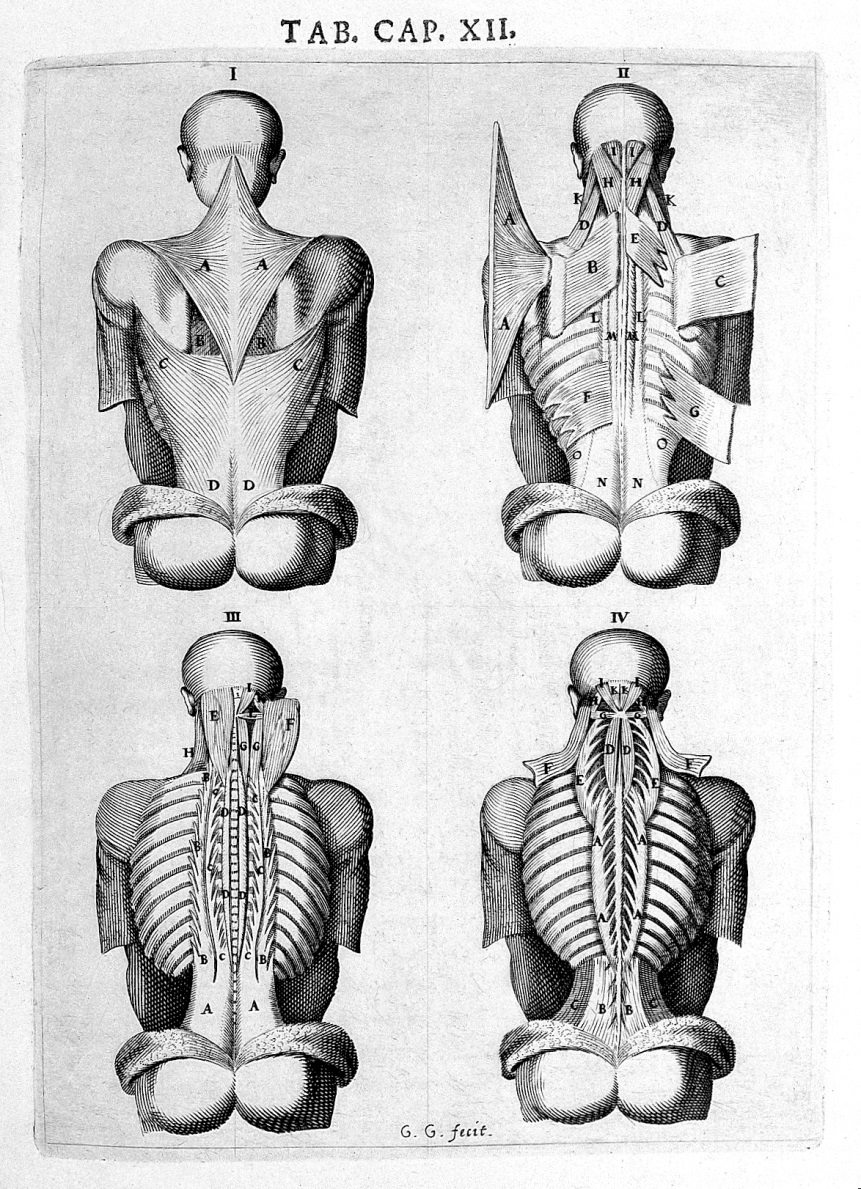
Subluxation Theory: A Belief System That Continues to Define the Practice of Chiropractic
Chiropractic as a profession is defined by the subluxation theory, the unfalsifiable belief that disease is caused by impaired nerve flow. No proof exists for this theory, and likely never will.
Strains, sprains and pains
What do you think would happen if you gave a bunch of “complementary and alternative medicine” practitioners access to a big pot of money — say, up to $10,000 per patient — and let them treat patients virtually without restriction, hampered only by a fee schedule. No utilization review, no refusal based on a treatment being “experimental” — none of the usual...
Ringing in 2012 with…antivaccine propaganda?
Here we go again. In fact, I think I’m starting to see a pattern here among antivaccine organizations. You might remember that in November 2010, the antivaccine group SafeMinds bought ad space in AMC Theaters over the Thanksgiving holiday weekend, one of the heaviest moviegoing time periods of the year. This use of pre-movie time to promote antivaccine propaganda resulted in a...
What Is an Antivaxer?
Labels are a cognitive double-edged sword. We need to categorize the world in order to mentally capture it – labels help us organize our mental maps of the overwhelming complexity of things and to communicate with each other. But labels can also be mental prisons, when they substitute for a thorough, nuanced, or individualized assessment – when categorization becomes pigeon-holing. We use...
Inflammation: Both Friend and Foe
A number of buzz-words appear repeatedly in health claims, such as natural, antioxidants, organic, and inflammation. Inflammation has been implicated in a number of chronic diseases, including diabetes, Parkinson’s, rheumatoid arthritis, allergies, atherosclerosis, and even cancer. Inflammation has been demonized, and is usually thought of as a bad thing. But it is not all bad. In a study in Nature Medicine in September...

Shilling for traditional Chinese medicine: Nature leaves its readers a lump of coal before Christmas
I’ve subscribed to Nature for many years now, even though I don’t always read it. Nature is one of the oldest and most respected scientific journals around. It’s been around since 1869 and is said to be the world’s most cited journal. What makes Nature unusual these days is that it’s one of the last of the remaining general science journals and...
NCCAM Criticism from a Not-Quite-Opponent
The demographic of SBM readers are likely to remember the early Miller Lite beer television commercials where sports personalities debated as to whether the beverage “tastes great” or was “less filling.” In one classic version, New York Mets’ Marv Throneberry breaks the shouting match to level his decision: “I feel strongly both ways.” My colleagues at Science-Based Medicine have generally been opposed...
Hypothyroidism: The facts, the controversies, and the pseudoscience
As glands go, we don’t give the butterfly-shaped thyroid that straddles our trachea too much thought — until it stops working properly. The thyroid is a bit like your home’s thermostat: turn it high, and you’re hyperthyroid: heat intolerant, a high heart rate, and maybe some diarrhea. Turn it down, and you’re hypothyroid: cold, tired, constipated, and possibly even depressed. Both conditions...
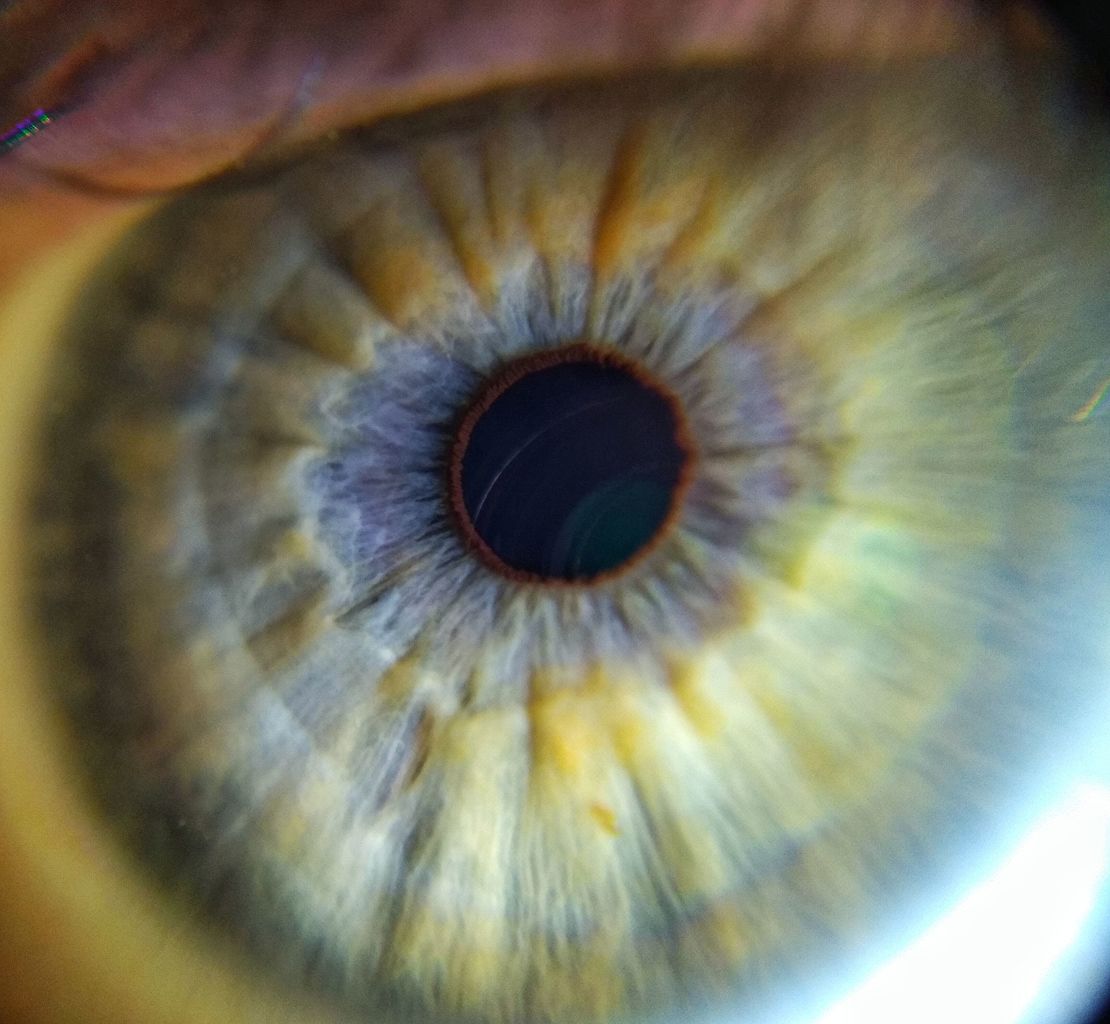
Iridology
Iridology claims that it can diagnose diseases through a careful examination of the iris. Unsurprisingly, there is no proof for this, and when tested it fails spectacularly.
A Christmas Card from the SkepDoc
The holiday season is upon us. As a bit of a holiday from science-based writing, I thought I would offer some thoughts inspired by the season and not supported by any scientific evidence. One of my friends refers to Christmas as “The Feast of St. Dyspepsia.” Holidays are indeed an occasion for over-indulging. People change their routine: they have time off work,...