Jan 23 2012

Reassessing whether low energy electromagnetic fields can have clinically relevant biological effects

You are currently browsing comments. If you would like to return to the full story, you can read the full entry here: “Reassessing whether low energy electromagnetic fields can have clinically relevant biological effects”.

FacebookDiggLinkedInStumbleUponLiveJournalShare

99 responses so far

99 Responses to “Reassessing whether low energy electromagnetic fields can have clinically relevant biological effects”

  1. Ken Hameron 23 Jan 2012 at 3:55 am

    “I do not in any way believe that cell phone radiation actually is a cause of cancer because, even though, unlike the case in homeopathy, where multiple well-established laws of physics would have to be overturned for homeopathy to work, I find the “impossibility” argument with respect to cell phone radiation and cancer far less persuasive than physicists. ”

    Uhhhh, what?

    You don’t think cell phone radiation causes cancer because you think the “impossibility” argument is far less persuasive?

  2. Ken Hameron 23 Jan 2012 at 4:09 am

    ” Either he’s found something new and previously unknown, or he’s somehow very, very wrong.”

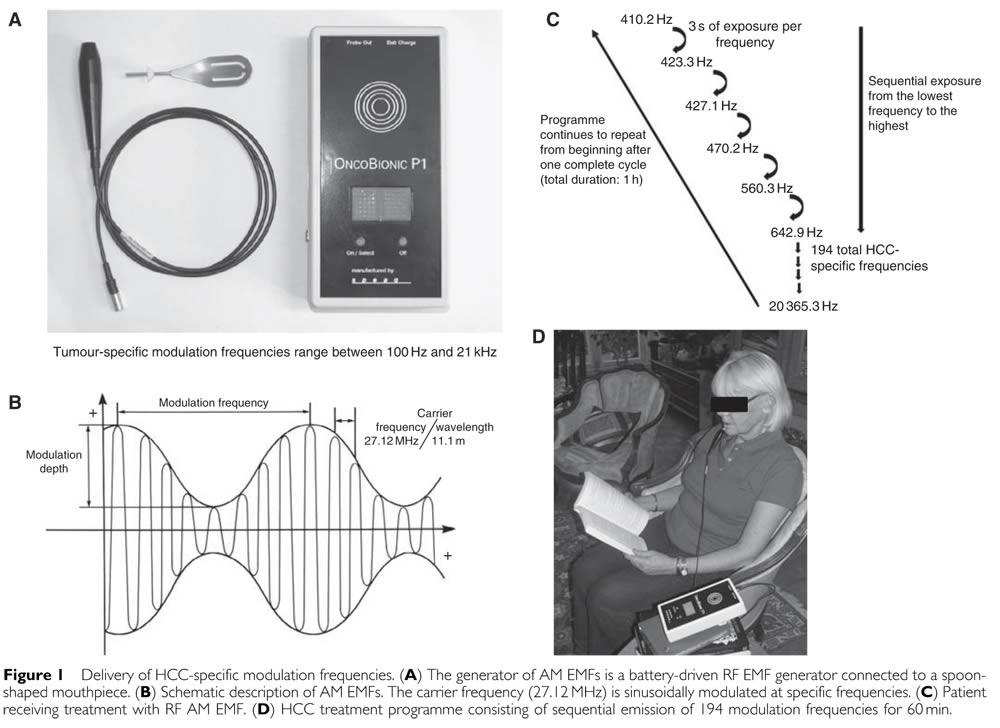
    I vote for “very, very wrong” based on the “spoon in the mouth technique.” Are they patients swallowing the EMF?

    (‘Course, the technique *does* have “frequencies” — but that’s a trait often claimed by sCAM proponents.)

    But perhaps most important, Dr Pasche doesn’t seem to have any understanding of the output energy of your average mobile phone. Most output between 60mW and 600mW (depending on the strength of the connection with the cellular tower.) That being the case, the described technique would involve approximately the same energy as a mobile phone, *not* “between 100 and 1,000 times lower.”

  3. Ken Hameron 23 Jan 2012 at 4:22 am

    Major FAIL!

    “True, it is only specific AM frequencies that appear to have a biological effect, but if we were to use the very same argument that Bernard Leikind makes to dismiss the possibility of a link between cell phones and cancer, then what Dr. Pasche has found in his research should equally be impossible. No, more than equally. Remember, the energy levels of the radio waves he uses are considerably lower than cell phone radiation.”

    Sticking the antenna of a device that potentially radiates *more* energy than a mobile phone in your mouth, does NOT result in “considerably lower than cell phone radiation.” It likely results in significantly more.

    Some of these errors are so egregious as to lay waste to the entire claim.

    Given a choice between homeopathy and whatever this is, I’d go with homeopathy. At least there’s the chance that the water and/or sugar might have some effect.

    (Sorry ’bout the multiple posts.)

  4. ConspicuousCarlon 23 Jan 2012 at 5:46 am

    Yeah, the “100mw” is in the range of wattage used by modern digital phones, though I don’t know what is actually typical when a phone is used on a real-life network. Also, this is at 27MHz instead of 800-2100MHz.

    But regardless, if it is possible for that power level to have an effect which inhibits one problem, it is also possible that it causes other problems. Without some understanding of what is happening, I don’t see why it can be assumed to be safe any more than it can be assumed to be possibly helpful.

    However…

    Ken Hamer on 23 Jan 2012 at 4:09 am
    I vote for “very, very wrong” based on the “spoon in the mouth technique.” Are they patients swallowing the EMF?

    The visual of a spoon-antenna in the mouth is ridiculous, but that is purely an aesthetic objection. Maybe that’s a good way to get the radio signal to whatever system responds, or maybe it is unnecessary. But that doesn’t mean much.

    Ken Hameron 23 Jan 2012 at 3:55 am

    “I do not in any way believe that cell phone radiation actually is a cause of cancer because, even though, unlike the case in homeopathy, where multiple well-established laws of physics would have to be overturned for homeopathy to work, I find the “impossibility” argument with respect to cell phone radiation and cancer far less persuasive than physicists. ”

    Uhhhh, what?

    You don’t think cell phone radiation causes cancer because you think the “impossibility” argument is far less persuasive?

    He said “even though”, not “because”.

    The absolute impossibility of homeopathy is because it relies on uniquely chemical properties of some biologically active substance being transferred via a mechanism which cannot transfer chemical properties. But if, instead of shaking a vial of water, the homeopaths were shaking the patient, then it would not be 100% impossible that homeopathic “vibrations” could have some effect, even if the mechanism was not understood and the real results had nothing to do with their chosen substance.

    This wacky radio wave idea matches the second case, not the first.

  5. David Gorskion 23 Jan 2012 at 5:52 am

    From the 2009 paper:

    Computer simulation studies have shown that the specific absorption rate (SAR) in the head resulting from the use of intrabuccally-administered amplitude-modulated electromagnetic fields is in the range of 0.1–100 mW/kg[1]. Hence, the SAR outside the head is substantially below 0.1 mW/kg.

    From the 2011 paper:

    Asia showed that the rate of adverse reactions was low and was not associated with increases in the incidence of malignancy or coronary heart disease (Amato and Pasche, 1993). The maximum specific absorption rate (SAR) of the applied RF averaged over any 10 g of tissue has been estimated to be less than 2Wkg1, and the maximum temperature increase is significantly lower than 1° C anywhere in the body owing to RF absorption.

    From the 2012 paper:

    The average specific absorption rate (SAR) for cells exposed in the parallel capacitor plate system is 0.03Wkg1 (Supplementary Information). All initial experiments conducted with the TEM system were conducted at a SAR of 0.4W/kg. To determine the range of SARs within which significant GI was observed, additional cell proliferation experiments were performed at 0.05, 0.1 and 1.0 W/kg. A significant anti-proliferative effect was observed at all SARs ranging from 0.05 to 1.0 W/kg (P¼0.0354). All subsequent assays with the TEM system were conducted at an SAR of 0.4 W/kg.

    It’s possible I was taken in by seemingly cool results. In fact, I was a bit nervous about writing this post. However, the specificity, dose-response, and other characteristics of Dr. Pasche’s results, particularly in the 2012 study, are hard to simply dismiss. If I’m missing something obvious here, I’ll take my lumps, but I can’t find an easy reason to dismiss these papers.

    Most SAR ratings for cell phones I’ve seen are around 1 W/kg.

  6. David Gorskion 23 Jan 2012 at 6:00 am

    Without some understanding of what is happening, I don’t see why it can be assumed to be safe any more than it can be assumed to be possibly helpful.

    It’s not “assumed.” It’s demonstrated in the 2009 and 2011 studies.

  7. ConspicuousCarlon 23 Jan 2012 at 6:15 am

    A total of 1524 frequencies ranging from 0.1 to 114 kHz were identified during a total of 467 frequency detection sessions (Table 1). The number of frequencies identified in each tumor type ranges from two for thymoma to 278 for ovarian cancer. Overall, 1183 (77.6%) of these frequencies were tumor-specific, i.e. they were only identified in patients with the same tumor type. The proportion of tumor-specific frequencies ranged from 56.7% for neuroendocrine tumors to 91.7% for renal cell cancer. A total of 341 (22.4%) frequencies were common to at least two different tumor types.

    This part here doesn’t make any sense to me. He only tested 163 people, and yet he is finding hundreds of correlations within sub-groups of tumor types, accounting for 3/4 of all frequencies tested? It looks like everything he looks at correlates with something.

    And exactly how many of those patients had each of his defined tumor types?

  8. David Gorskion 23 Jan 2012 at 6:44 am

    Table I in Barbault et al. I don’t have time to post it now.

  9. Anarreson 23 Jan 2012 at 6:53 am

    Mmm… Is Dr. Gorski probing us? What happens to the healthy tissues? Do they shows changes? I am confused.

  10. drg1985on 23 Jan 2012 at 7:22 am

    You’re right that DNA damage is not the only path to carcincogenesis, but I do feel I must stand up for my fellow medical physicists here – You are correct in saying many physicists have a simplified view of ionisation being the sole consideration in cancer formation, but in general that is exactly what we worry about with photons of various energy levels.

    But the picture is not solely about energy levels; my PhD thesis for example was on the area of UV-therapy. Now, UV photons do not have enough energy to ionise yet we know they can cause cancer. How do they do so ? By the mechanisms of direct (8%) and indirect (92%) DNA damage – In the former, the DNA does not convert the incoming photon to harmless heat and it causes thymine-thymine dimers. This causes sunburn, a warning signal to us and the damage is localised to the site. In the latter, UV is absorbed but not converted to harmless heat fast enough, causing OH or oxygen singlets, meaning free radical production which can react with DNA causing damage. This is the basis of 92% of skin cancers.

    In this example, ionisation isn’t a factor – but the potential interactions of non-ionising photons can still trigger cancers. What is important is the reactions that photon can trigger which may potentially damage DNA. Now, the argument isn’t that simple either – In the case of UV, we have the ozone layer which removes all UVC, vast majority of UVB and a lot of the UVA from getting to earth. But microwaves and radiowaves undergo no such attenuation.

    In fact, even if we all stopped using MW or RW broadcasters and receivers, we’d still be bombared with such signals and always have been because our own sun produces them in abundance. So this raises an interesting question; harken back to the UV example – UV can be damaging and we get some from our sun. Yet we have evolved a natural protection and warning system – melanin exists to screen out harmful levels and DNA / melanin are excellent heat converters. When we are receiving damage, we tend to get a erythema or sunburn warning. We have no such mechanisms for RW or MW – indeed, we have no such mechanism for visible light, which has higher energy by far than either of these!

    This does not mean it’s impossible they cause cancers but rather it is exceptionally unlikely we would have been able to propagate for so long in a world drowned in these levels without evolving some detection or protection mechanism. Equally so for our avian and mammalian kin who seem to exist happily in the same bath of low energy signals. Repeated studies have found no evidence that low energy signals cause cancer or have any biological effect.

    I’m not saying it’s impossible (an impossible thing to do in science) but I am saying that it is highly unlikely such low level signals could cause the kind of changes needs for carcinogensis. I’m dubious about this study as low singals exist is high density all over the planet at all places, and natural exposure to them is impossible to avoid.

    I’d guess selection bias or chance event is a MUCH more likely mechanism than some previously undiscovered effect of low energy fields. I think a preliminary study does not overturn all the studies that have gone before. Is this not the more reasonable approach ? I will put €20 on that it all comes to nothing and the effect is shown to be “non-real” if you want to take that bet :) ?

  11. David Gorskion 23 Jan 2012 at 8:00 am

    I’d guess selection bias or chance event is a MUCH more likely mechanism than some previously undiscovered effect of low energy fields.

    If all we had were the clinical trials, I’d probably agree, but how do you explain the cell culture studies? I can’t comment on the xenograft studies, because they’re not published yet, but assuming they are as represented and end up being published, how would you explain those? The cell culture studies, at least, show specificity and dose-response, as well as a consistent biological effect. Dr. Pasche’s controls in his 2012 paper look solid to me, and he’s done this in a blinded fashion. If one or two other groups replicate his results, I’d be sold.

    I’m still quite skeptical and might end up looking really credulous, but it’s a chance I’m willing to take to spark a little debate.

  12. drg1985on 23 Jan 2012 at 8:13 am

    I regard them as questionable. I do know in my own field that numerous experiments have been done with magnetic fields, electric fields and photons on various isolated biological tissues. The non-thermal effects are inevitably nowt. I’m taking this with a large dose of salt for many reasons, but any physicist working in radiobiology will likely point out that dose direction is vital –

    “Patients hold a spoon-shaped antenna in their mouths to deliver a very low-intensity electromagnetic field in their bodies. In trials of patients with advanced liver cancer, the therapy – given three times a day – resulted in long-term survival for a small number of those monitored, the team has reported in the British Journal of Cancer. Their tumours shrank, while healthy cells in surrounding tissue were unaffected.”

    Now, the mouth is not all that near to the liver – this strikes me as a little nonsensical, even for a trial. Surely the field, which drops off as to 1/r^2 and is already weak , should be concentrated near the liver for liver cancer ? There are elements of this paper which trouble me, and I doubt very much the results will be found and replicated on large scale investigations.

    I know it sounds cynical of me, but I hope this skepticism is bore of good understanding of medical physics rather than a potential ignorance of carcinogensis :)

  13. The Eventual Docon 23 Jan 2012 at 8:27 am

    Wait, I thought we did this back in the 30′s with Royal Rife.

  14. windrivenon 23 Jan 2012 at 8:37 am

    “Frequencies eliciting the best biofeedback responses, defined by the magnitude of increased amplitude and/or the number of beats with increased amplitude, were selected as tumor-specific frequencies.”

    Tumor specific frequencies because they might elicit a response from the sinoatrial node? My bullsh|t detector exploded when I read this. And what was the magic in selecting the 27Mhz carrier frequency? Is there some science here or just the availability of lots of leftover CB radio crystals? Would this work better with a carrier frequency of 42.013Mhz? Would frequency modulation work better than amplitude modulation? How about single sideband?

    The other question that nags is: what was the observation that led to the original experiments? Is there some plausible trail of observation -> conjecture -> study -> hypothesis -> experiment -> (apparently a theory has not yet been proposed) here or is this all inspired by a visit from the angel Macaroni?

  15. ConspicuousCarlon 23 Jan 2012 at 9:08 am

    SARs for cell phones are supposed to represent the maximum energy absorption from a phone to make sure it does not exceed the upper limit, while in real life a phone has variable power output to match its needs and will usually be lower. Also, the watts/kg is merely the ratio (which is used to rate SAR for many purposes, not just phones). In actual testing, they base the SAR ratio on the actual energy absorbed by only 1 gram of test tissue at the chosen test points (one of the papers you listed says 10 grams, which is the European method), and then convert it to the W/kg ratio. A cell phone SAR of 1w/kg does not necessarily mean that the user is absorbing more total energy than another person with a lower-powered transmitter in their mouth.

    Also, some of these people are getting the spoon for 6 hours per day, which exceeds the average talking time for cell phone users.

    The 2011 paper shows no cancer or heart disease, but I thought we were being more open than usual to random and unknown effects we wouldn’t think to look for.

  16. David Gorskion 23 Jan 2012 at 9:21 am

    And what was the magic in selecting the 27Mhz carrier frequency?

    None.

    Dr. Pasche says only the frequency of amplitude modulation matters. Carrier frequency doesn’t. He claims he’s gotten similar results in cell culture with several other carrier frequencies.

    In any case, part of the reason I wrote this, besides to examine the issue of determining prior plausibility in a very controversial area, was to see if I could entice anyone with more knowledge than I on this topic to look more closely at Dr. Pasche’s work.

  17. Eugenie Mielczarekon 23 Jan 2012 at 9:24 am

    To add to the comments offered by other physicists –I would add that the most amazing data presented is the claim that various cell growths can be inhibited by specific frequencies and that the tuning of these frequencies is required to one part in seven.

  18. micheleinmichiganon 23 Jan 2012 at 9:25 am

    This article is a nice change of pace. I’ve often wished that SBM would cover more “cutting edge” treatments and research. This might help some of us non-science folks begin to understand the right way to pursue the whole process of developing effective treatments from “concept to production”.

    The discussion also could be considered a good demonstration of the helpfulness of criticism in the research process.

    Clearly, much initially interesting or promising research doesn’t pan out, unfortunately that’s seldom reported on. Perhaps the public gets an unrealistic picture of initially promising research naturally progressing to effective treatments.

    This article reminded me of something. Recently I listened to an interview with the physicists who recently won the Noble Prize for their discovery that the universe is expanding. One of the study authors decribed the time before and immediately after the publication of the paper as the most anxious time of his life, anticipating and dealing with the amount of skepticism and criticism they would face. Yet, they were still listened to and given the resources to move forward.

    The same goes for this research.

    Maybe I am being niave, but I think this demonstrates that a scientist can get financial support and be published doing scientifically responsible research on a very controversial topic. This is in direct contrast to some of the Internet scammers who claim they are being forced to sell directly to the public because they’re controversial treatments are being surpressed by the establishment.

  19. evilrobotxoxoon 23 Jan 2012 at 10:01 am

    This hit a bit close to home, as I have a PhD in biophysics. I think the claim that “physicists” say that cell phones causing cancer is “impossible” is a straw man. In the mind of most of the lay public, prior plausibility for cell phones causing cancer is based on the simplistic notion that “radiation” can cause cancer, and cell phones use “radiation.” It is 100% accurate to state that it is impossible for cell phones to cause cancer through the same mechanism as ionizing radiation; that statement follows directly from basic science principles and requires no clinical validation, and it is not a statement of trivial importance. I acknowledge that there are some people saying that it’s “impossible” in the way that Dr. Gorski describes, which I agree is incorrect, but I think it’s important not to throw the baby out with the bathwater.

    Additionally, I’m not nearly as impressed by Pasche’s data as Dr. Gorski is. To be fair, I haven’t read the papers beyond the summary posted here, but the story just doesn’t make any sense. What was the basis for performing in vivo studies without any preliminary data, even in cell culture? They claim to use tumor-specific frequencies in vivo, but how did they know what those frequencies were if they didn’t have an in vitro (or animal model) system to determine them? The abstract for the cell culture paper says that the tumor-specific frequencies were determined in human subjects using biofeedback, which fails to make sense on multiple levels. Also, the only experiments that actually include any controls and are even remotely compelling are the cell culture expts; I don’t have time to read the paper, but the differences were relatively small and could be due to uncontrolled variables, and they certainly don’t account for the supposedly dramatic clinical effects.

    In summary, my problem with the work is not the supposed biophysical implausibility, it’s the sloppy and unconvincing scientific approach. Obviously Pasche could still be right, just like a stopped clock is right twice a day, but I’m not betting on it. Maybe I should put it this way: for those of us who’ve been following the biomedical literature for a while, how many things have you seen come and go that were more plausible and convincing at the early stages than this but ultimately failed to pan out?

  20. Kimball Atwoodon 23 Jan 2012 at 10:16 am

    Variations in the amplitude of the radial pulse were used as the primary method for frequency detection.

    Sounds a lot like TCM claims (scroll down to Tongue Diagnosis, Pulse Diagnosis, and the $1 Million Challenge). Why should variations in the amplitude of the radial pulse have anything to do with cancer “frequencies”?

    …the device does look rather low tech, but it’s designed to administer EMF through the buccal mucosa in the mouth.

    What does “administering EMF through the buccal mucosa” even mean? A current is generated? What’s the circuit?

    Even granting the possibility of (distant) biological responses to low energy EM, there are too many implausibles here. They all would have to be real in order for the claimed outcome to follow from them. The probability of them all being real is the product of the probabilities of each being real…

  21. BKseaon 23 Jan 2012 at 10:49 am

    I had to double check my calendar. I thought it might be April 1st.

  22. stew2on 23 Jan 2012 at 11:37 am

    I actually heard a lecture on this from Dr. Pasche about a year and a half ago prior to the publication of the cell culture work at a meeting for medical scientists in training. I thought I might mention a few things I remembered that might help add some more perspective:

    1. Like Dr. Gorski mentioned, the device used for this was originally designed years ago to treat insomnia by a group that included Dr. Pasche. I have no idea how someone came up with the original idea to treat insomnia like this and clearly this modality is not currently in wide use. So Dr. Pasche had this device that he felt was safe, but it wasn’t taking off as treatment for insomnia. He is a respected cancer researcher based on other non-EMF work, so he apparently decided to look to see if it had an effect on cancer.
    2. The reaction of most of the physician/scientist students to his work on this subject was mixed to put it charitably. Some people actually became visible upset that we were lectured about something they described as “voodoo”. In my mind, the main problem was that the data presented at the time was completely uncontrolled since it was based off of a few anecdotal case reports and the like. I’m not sure how much more convincing it all is after this cell culture work although cell culture it is certainly a good first step. Clearly the science has a long way to go before it can be taken as anything other than preliminary. Perhaps if he publishes some positive mouse xenograft studies then another group might be interested in trying to replicate the work.
    3. I got the impression that Dr. Pasche viewed this work as a hobby at the time. My understanding was that he was not using, for example, NIH funding on this project although other non-EMF projects of his were funded. How this squares with the potentially forthcoming xenograft studies in mice – studies that are complex, expensive and time consuming – I don’t know.

    In conclusion, at the time the data was not very convincing. However, if Dr. Pasche thinks looking into this is fun and he has managed to get a grant on this accepted or found some independent source of money and labor, then more power to him. At the best we might learn something new. At the very worst it will just be more fiber that, metaphorically speaking, passes through the great digestive tract that is the scientific method.

  23. David Gorskion 23 Jan 2012 at 11:49 am

    I actually agree that the biofeedback bit is really, really implausible. As I said in my post, that part was the hardest for me to believe (and I’m still not sure I actually do believe it).

    The device, however, was described back in the 1990s with regard to the treatment of insomnia:

    1. Pasche B, Erman M, Mitler M: Diagnosis and Management of Insomnia. N Engl J Med 1990, 323:486-487.
    2. Pasche B, Erman M, Hayduk R, Mitler M, Reite M, Higgs L, Dafni U, Rossel C, Kuster N, Barbault A, Lebet J-P: Effects of Low Energy Emission Therapy in chronic psychophysiological insomnia. Sleep 1996, 19:327-336.

    The device is described in the second paper thusly:

    The LEET device has been described previously (3). The amplifier operates at 27.12 MHz. A microprocessor (no. 8048; Intel, Hillsboro, OR) controls signal amplitude, enabling a modulation frequency bandwidth of 0.1 Hz to 10 kHz. The signal generator is connected to a spoon-shaped mouthpiece coated with aluminum by a 1.5-m-Iong coaxial cable. This mouthpiece is held between the tongue and the palate for the duration of the treatment and is therefore in direct electrical contact with the oral mucosa. The construction of the device prevents any ohmic contact between the subject and electric ground. An impedance transformer between mouthpiece and cable reduces any impedance mismatch between generator, cable and subject. These features result in limiting the variation in the output power of the device (using a sinusoidal modulated test signal) to 100 mW ± 20% under any treatment condition and assure that the induced specific absorption rate (SAR) values are below the American National Standards Institute-Institute of Electric and Electronic Engineers (ANSI-IEEE) and International Radiation Protection Association (IRPA) safety limits defined for the general public (9-11).

    I would have gotten reference 3, but my library doesn’t subscribe.

    But leave the biofeedback part aside for the moment. Assume for the moment that Dr. Pasche has somehow stumbled upon tumor-specific AM frequencies, regardless of the method. Contrary to what evilrobotxoxo writes, the 2011 and 2012 studies based on those frequencies were not “sloppy science.” Dr. Pasche is a well-funded, well-published, well-respected academic oncologist who knows cancer biology (TGF-β is his main area of interest) and how to do clinical trials. His 2011 clinical trial was a fairly straightforward phase I/II trial, reasonably designed and not much different from any number of phase I/II cancer drug trials. His 2012 study demonstrates specificity for cell type and AM frequencies consistent with the two previous clinical trials, as well as reproducible changes in treated cells and gene expression changes consistent with observed effects. It is incredibly difficult to imagine a systematic error due to handling the cells, cell media, or whatever, that would produce mitotic spindle disruption of the sort described. I looked at the controls, and they appear appropriate, exactly what I would demand if I were a reviewer for this paper. Read the 2011 and 2012 papers for yourself. I don’t claim to be infallible, and maybe I missed something.

    I certainly don’t think this is the final word, and, yes, it wouldn’t surprise me if none of this pans out or if other investigators fail to replicate these results. Right now, however, I can’t explain these results and have a hard time arguing that they don’t warrant follow-up studies, at least in vitro and in animal models. Moreover, Dr. Pasche is going about it the right way.

  24. David Gorskion 23 Jan 2012 at 12:07 pm

    At the very worst it will just be more fiber that, metaphorically speaking, passes through the great digestive tract that is the scientific method.

    Hah. I’ll have to remember that one.

    Yes, I got the feeling that Dr. Pasche viewed this project as mostly a hobby, a side project to his main, NIH-funded projects. On the other hand, he also pointed out that when he’s invited to speak at outside institutions, he usually talks about this project now, rather than his TGF-β work. In his talk, he told us a bit about the graduate student—or was it a postdoc? I don’t remember—who did most of the cell culture work. When she expressed interest in his lab, he first told her about all the elegant TGF-β stuff going on in his lab (which was, of course, NIH-funded) that would be most likely to provide her with the papers she needed. Then he told her about this “side” project. She was interested in the side project.

    Now, he’s going about it the right way, trying to get funding from the NIH and various sources to do the basic science work. My only hope is that, if he can’t get funded through respectable channels, he doesn’t resort to seeking funding from crank organizations that might be very interested in his work.

  25. Epinephrineon 23 Jan 2012 at 12:10 pm

    Obviously Pasche could still be right, just like a stopped clock is right twice a day, but I’m not betting on it.

    *Snort* That pretty much sums up my feelings.

    Not a biophysicist, or anything remotely resembling one, but I have many of the same concerns, I’ll just aim at the first one (mentioned above by others): there are specific frequencies, arrived at by biofeedback using the amplitude of the radial pulse?

    Of course, one can be right, despite all the reasoning being wrong (like evilrobotxoxo’s clock), and it’s possible that he’s happened on a phenomenon through accident, but I rather doubt it.

    For this sort of biofeedback to work, there would have to be a rather fast system responding to these signals, providing a shift in a complex system. Possibly there could be a system that responds to some AM frequencies (the signal, not the carrier?), but why would it change depending on the type of cancer? Do cancers also develop receptive ability? If so, how do various tumour types in various areas all affect the same system in the same way, based on their response to the AM signal?

    Now the claim is that it also affects cells in culture. Ok, so how does a change that seems to directly affect the malignant cells also happen to cause the change in radial pulse? If these are separate functions, it’s ludicrously improbable, but it seems even less plausible that the body has a response to malignant cells experiencing “mitotic spindle disruption” consisting of an observable change in the radial pulse amplitude.

    One question I have is whether there was any blinding or control in the cell tests? Sure, you could identify the cells by looking at them under the microscope, but assuming that they are grown in similar seeming containers, one could expose them without checking the type of cell. Additionally, one could randomly either activate or not activate the transmitter, making it seem like the cells were exposed when they weren’t. It would be easy to bias results if one knew the cell type, frequency of exposure, etc.

    I haven’t had time to look at the statistics (if there is sufficient detail there), but it sounds like they’ve tested many different characteristics, and this could result in some issues with the family-wise error rate. I’d be curious as to how many tests total they ran looking for differences.

  26. DugganSCon 23 Jan 2012 at 12:14 pm

    I’m reminded of Asimov’s quote, that “The most exciting phrase to hear in science, the one that heralds the new discoveries, is not ‘Eureka!’ (I found it) but ‘That’s funny…’ ” Sometimes it turns out that there’s something wrong in the experiment but sometimes it means that there really is something we’re not accounting for.

  27. tmac57on 23 Jan 2012 at 12:18 pm

    Soooo….listening to Rush Limbaugh daily might cure your cancer??? Of course the resultant brain damage would be unacceptable.

    If, as I suspect, this device will not stand up to deeper scrutiny,you can bet that it will forever with us as an “Amazing cure for cancer that they don’t want you to know about!!!”
    Bets anyone?

  28. David Gorskion 23 Jan 2012 at 12:21 pm

    One question I have is whether there was any blinding or control in the cell tests?

    I pointed out multiple times that the cell culture experiments were blinded and that the controls were, as far as I could tell, adequate. I even showed a picture of the device! Here’s a description from the supplemental information:

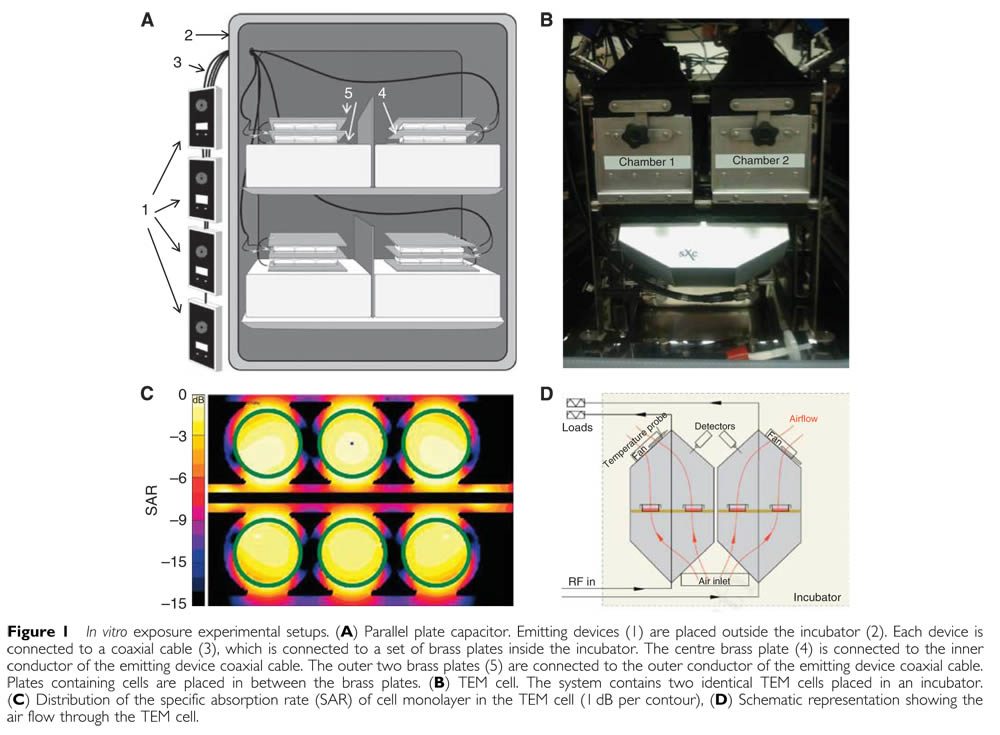
    One set of devices is programmed with the same HCC-specific or breast cancer-specific frequencies as those used for patient treatment (Suppl. Tables 1 and 3, Suppl. Figure 2). Another set of devices is programmed with randomly-chosen frequencies selected in the same band as the HCC-specific frequencies, i.e. from 100 Hz to 21 kHz (Suppl. Table 2, Suppl. Figure 2). Additional control devices consisted of the same devices, which were not switched on. Temperature of the culture medium was measured before and after treatment. There was no measurable difference in the temperature of the media during and following exposure to amplitude-modulated frequencies in the parallel plate capacitor. The averaged induced SAR at the monolayer was assessed to be 0.034 W/kg (uncertainty of 40%) and a standard deviation of 155% (highest cell exposures at the edge of the dish and smallest exposures in the center).

    sXc27 TEM System. An optimized system for well controlled exposure of cell cultures to 27.12 MHz radiofrequency (RF) electromagnetic fields was developed, manufactured, and characterized by the Foundation for Research in Information Technologies in Society (IT’IS Foundation, Zurich, Switzerland). The system is based on two identical transverse electromagnetic (TEM) cells (IFI CC110, Instruments for Industry Inc., Ronkonkoma N.Y.) that can be loaded with 2 x 6 tissue culture dishes (35 mm, FALCON, monolayer cells) (Figure 1B). The dish holder is made out of polyoxymethylene (POM, relative permittivity = 3.5 (50%) conductivity = 0.0001 (50%) at the 27 MHz and 37°C). The design is an adaptation of the system described by Nikoloski et al.(2005). The propagation vector is normal to the bottom of the tissue culture dish allowing homogenous exposure of cell monolayers and cells in suspension. A constant airflow is forced through the system by fans with a common inlet ensuring the same environmental conditions as inside the incubator. The controlling and monitoring unit generates the exposure signal via computer-controlled signal generators and monitors the exposure levels using power sensors at the output of the TEM cells. It also monitors temperature and the functioning of the fans every 5s. All measured and control parameters are stored in a log file. Since the system consists of two identical chambers, it allows blinded exposure schemes with active and inactive RF-modulations, i.e. the computer randomly selects the active versus inactive signals, the information of which is only accessible via the log file.

    The one question I did have was how many different cell lines Dr. Pasche tested, something I should have asked him when I met him. How many other HCC lines did he test? How many other breast cancer lines?

  29. Harriet Hallon 23 Jan 2012 at 12:28 pm

    I appreciate that you are bending over backwards to be fair and give this research a chance, but it seems to me you have bent too far – I fear the opisthotonus has progressed to where your occiput is in contact with your calcaneus. Ouch! :-)

    You yourself have mentioned all the reasons to doubt these findings, and the only thing in their favor is that they have all the trappings of good science and you yourself can’t immediately see any fatal flaws in them. The biggest problem for me is using radial pulse amplitude to determine tumor frequency. And indeed, the very concept of tumor frequency, which comes from pseudoscientific “energy medicine.” I’d be interested to know how they got the idea of studying this in the first place.

    As Kimball and others have said, the prior probability is extremely low. While it may not be as low as for homeopathy, we need independent confirmation before we can even begin to take this seriously. The possibility of this kind of radiation affecting cells hasn’t been ruled out, but it hasn’t been established either. I predict that these studies will not be replicated in other labs or confirmed by larger, better controlled studies. If I were a betting woman, I’d put good money on it.

    One other minor point: they claim that the treatment didn’t increase the risk of cancer or heart disease. It takes years for both of those to develop, and I suspect their followup period was not long enough to justify that claim.

  30. drg1985on 23 Jan 2012 at 12:46 pm

    “As Kimball and others have said, the prior probability is extremely low. While it may not be as low as for homeopathy, we need independent confirmation before we can even begin to take this seriously. The possibility of this kind of radiation affecting cells hasn’t been ruled out, but it hasn’t been established either. I predict that these studies will not be replicated in other labs or confirmed by larger, better controlled studies. If I were a betting woman, I’d put good money on it. ”

    Well said – as I mentioned earlier, I’m putting my money on it not being anything, so I’m with Harriet on this one. Actually, there are some parallels with homeopathy – it is essentially a massively diluted dose applied with no plausible mechanism of action :) Of course, there might be something to it but I would stake a sum there isn’t.

  31. DugganSCon 23 Jan 2012 at 1:27 pm

    As regards how this was found, all it would take is someone using this device for insomnia, going into remission for their cancer, and asking whether the machine could have been what caused it. The doctor decides to put the idea to rest by testing the machine in more scientific manner and realizes he may be on to something. It is possible to transition from anecdote to evidence with science.

    Frankly, it does have even odds of turning out to be nothing, but thus far, it looks promising. And after all, isn’t it ignoring evidence that contradicts one’s personal beliefs one of the major criticisms we level at alternative medicine?

  32. stew2on 23 Jan 2012 at 1:36 pm

    Even though the science behind this is not extremely well supported, I did want to make it clear that Dr. Pasche is a respected scientist and did not show any signs of attempting to market the device to reiki practitioners or whatnot. During the lecture I attended there were several very pointed questions about any marketing that might be going on and he didn’t seem to have any grand schemes cooking. Regardless of how he may have determined his “tumor frequencies,” his observations may now be subjected to validation or rejection by other researchers.

    At any rate, this case is a great example of why the scientific method really is a wonderful thing and I applaud Dr. Gorski for addressing a topic that has some complexity before we already know how it all turns out. It is easy to say one would be skeptical of the Wakefields of the world but open to the Barry Marshalls before the scientific method has figured everything out, but harder to actually demonstrate that. Although it might take a long time for this case to be resolved, this is a great opportunity for us to observe how skepticism, scientists, and the scientific method – three completely different things – interact in vivo.

  33. Harriet Hallon 23 Jan 2012 at 1:52 pm

    @Duggan SC, “As regards how this was found, all it would take is someone using this device for insomnia,”
    But why would it occur to someone to use the device for insomnia?

  34. colli037on 23 Jan 2012 at 1:53 pm

    Not that I’ve converted, but a mechanism for affecting cells in culture could be heating induced or vibration induced changed in histone related DNA changes, or vibration induced changes in iRNA or siRNA that affects cell growth or some aspect of cell signalling that then has an adverse outcome on the cancer cells.

    As others (above) has mentioned, we are “bathed” in EM fields from the sun and the earth. another way to look at these results is that “they” have it all wrong. Cell phones don’t cause cancer, then partially treat it.

    Interesting to see where this ends up–hopefully this researching is not another Linus Pauling.

    t

  35. evilrobotxoxoon 23 Jan 2012 at 2:01 pm

    @David Gorski:

    Contrary to what evilrobotxoxo writes, the 2011 and 2012 studies based on those frequencies were not “sloppy science.” Dr. Pasche is a well-funded, well-published, well-respected academic oncologist who knows cancer biology (TGF-β is his main area of interest) and how to do clinical trials.

    And Linus Pauling thought that vitamin C was the tooth fairy. I’m not saying that the methodology of any particular study was sloppy; I haven’t read them, so it would be impossible for me to make that judgment. What I’m saying, based on your summary of the work, is that the entire scientific program is sloppy. First, he performs clinical trials with no in vitro or animal data and no known plausible mechanism, using a device that administers low-energy EM radiation to sites distant from the tumor, with frequencies picked in a way that makes no sense. Even performing a study like that in the first place reflects sloppy, nonrigorous thinking on multiple levels, and I’m baffled that he could get funding and IRB approval for it. The fact that the study itself was performed using competent statistical methods doesn’t rescue it from falling under the category of “sloppy science” in my book.

    But leave the biofeedback part aside for the moment. Assume for the moment that Dr. Pasche has somehow stumbled upon tumor-specific AM frequencies, regardless of the method.

    But why would anyone assume that? The clinical data is not controlled and is therefore unconvincing in terms of efficacy, and I don’t have any problem with dismissing it out of hand. I haven’t read the cell culture study, and I’m not going to, but I’ll take your word for it that it was done properly. So all he really has is a cell culture study, which is where he should have started years ago, and frankly that’s not all that exciting. If the in vitro data were all he had, I’m assuming you wouldn’t be nearly as excited about this. I think you’re making the error of overvaluing the in vitro study as providing mechanistic info about the in vivo effect when the in vivo effect has not been convincingly established.

    Now to be fair to Pasche, maybe there is a back story to all of this. Maybe he did some in vitro studies years ago that showed an effect, and he did the in vivo studies based on that, but the in vitro studies lacked important controls or somehow weren’t publication quality, but the grad student who had done them had already graduated, and he couldn’t convince anyone to revisit them until later. Who knows. Stuff like that happens all the time. But at the very least, it’s not rigorous science that’s properly done.

  36. Earthmanon 23 Jan 2012 at 2:07 pm

    Looks like a placebo machine

  37. WilliamLawrenceUtridgeon 23 Jan 2012 at 2:21 pm

    We’ve got multiple possible explanations here, in no particular order:

    - fraud
    - random chance producing apparent effects
    - genuine biological changes

    Either way, this extreme claim needs extreme evidence – but once it arrives (or doesn’t) we’ll know for sure and move on. Exciting! Keep us posted.

    I now predict that within a month, Hulda Clark-style zappers attempting to mimic this effect will be produced using Radio Shack components and sold for a mark-up between 1,000 and 10,000%.

    Bonus prediction – if it turns out nobody (including Dr. Pasche) can replicate these findings, they will be still be sold for decades after the medical community has moved on and justified through the “being supressed” meme.

    Going for a hat trick, there will a long, bitter argument on wikipedia regarding whether this is worth including in the main cancer article.

  38. Prometheuson 23 Jan 2012 at 2:24 pm

    My antennae (pun intended) were raised when I read that the “carrier frequency” was not important, only the modulation frequency.

    If you were to look at a frequency-domain plot of the administered radio energy (unlike the provided time-domain plots), you’d see that a radio-frequency “carrier” amplitude modulated by another (different frequency) signal results in three frequencies being generated: the original carrier (with most of the energy) and two side-bands with frequencies of the carrier frequency plus and minus the modulating frequency.

    This means that changing the carrier frequency would change – dramatically – the generated frequencies.

    If Dr. Pasche found no difference between different carrier frequencies, it is likely that there is nothing about the RF energy that is causing the observed differences in the tumors. I cannot think of what might be causing the observed effects, but it seems clear that there can be no specific efect due to the modulating frequency. The fact that he observed different results from different modulating frequencies but not with different carrier frequencies calls the entire work into question.

    Prometheus

  39. micheleinmichiganon 23 Jan 2012 at 2:36 pm

    To those expressing a desire to place bets against the low energy spoon.

    $20? Come now, that doesn’t show much conviction. Put some real skin in the game. How about an offer to get a prominately placed tattoo of the winner’s choice? That’s a bet.

  40. DrRoberton 23 Jan 2012 at 2:59 pm

    I just want to point out getting meaningful information from the radial pulse is one of the quack diagnostic techniques utilized by acupuncturists.

    I do not believe any of this, by the way. Would be funny though, if true. They could just setup towers Rund cities that emit these cancer curing waves. Or tweak cell phones to use the same frequencies. WiFi? WiCancer!

  41. David Gorskion 23 Jan 2012 at 3:07 pm

    If the in vitro data were all he had, I’m assuming you wouldn’t be nearly as excited about this. I think you’re making the error of overvaluing the in vitro study as providing mechanistic info about the in vivo effect when the in vivo effect has not been convincingly established.

    Nope. The two clinical trials didn’t interest me that much because they weren’t that compelling in and of themselves. What got me interested and thinking was the in vitro study. In any case, if all Dr. Pasche had were the in vitro study, I’d be interested in seeing what xenograft studies show, which is why I’ll wait for xenograft studies now. If I don’t see any published in two or three years, I’ll know that it will almost certainly be because Dr. Pasche’s work didn’t pan out.

    You know, I like that last thought so much that I’m adding it to my post in the last paragraph. There, the ending of my post is much better now. Oh, and even in spite of his being a bit nasty to me I agree with Ken Hamer that that one sentence was atrocious. I’ve changed it to make it clearer what I meant. :-)

  42. David Gorskion 23 Jan 2012 at 3:14 pm

    Looks like a placebo machine

    Except that placebos don’t produce complete or partial responses in cancer.

  43. Harriet Hallon 23 Jan 2012 at 3:26 pm

    David,
    Can you find out how they decided to look for cancer frequencies by measuring pulse amplitude rather than heart rate variability, skin conductance, or anything else? I’m really intrigued.

  44. Marion Delgadoon 23 Jan 2012 at 4:03 pm

    By taking a very similar approach, I’ve had (a little) success in convincing people that smart meters aren’t damaging to human tissue, including nerves, and don’t cause cancer. Because if you acknowledge that there is (only the slimmest) possibility for cell-phone radiation at the upper end to maybe cause cancer, then the people worrying about smart meters can see that the enormous difference even between that radiation and the radiation from smart meters is so enormous that even the “slimmest possibility” of harm does not exist.

  45. pmoranon 23 Jan 2012 at 4:20 pm

    (Kudos for taking a risk on this.)

    WRT the in vitro results, I am reminded of the once esteemed scientist Benveniste, and his in vitro homeopathy experiments. Those close to his work were able to quote (in confidence at the time) some statistically very convincing results supposedly demonstrating homeopathic effects, even in apparently properly blinded studies.

    He was merely unable to produce those consistently and more or less admitted that near the end of his life. In vitro studies are not immune to random artifact and contaminant.

    Thus, I wonder if anyone asked Pascke how many “runs” of his experiments were performed before he got results so supportive of his prior expectations?

  46. DrRoberton 23 Jan 2012 at 4:28 pm

    pmoran, I thought of that too. And in this case, (it seems?) there is a research assistant (post doc, whatever) who was interested and chose to do this research. Perhaps the blinding isn’t as blinded as the papers lead us to believe.

  47. evilrobotxoxoon 23 Jan 2012 at 4:54 pm

    @David Gorski:

    You just made two posts, one right after the other, in which you say #1) that the in vivo results are not compelling and don’t influence your excitement level about the in vitro data, and #2) “placebos don’t produce complete or partial responses in cancer,” i.e. referring to the in vivo results. This and other things in your post suggest to me that your enthusiasm about the in vitro results is affected by the in vivo results, regardless of whether or not you realize it.

    As an aside, I don’t want to come across as overly critical of your post – I think it’s an interesting topic that highlights some of the complexity involved in interpreting real-world data, and I think this is a case where reasonable people can have differing opinions.

  48. David Gorskion 23 Jan 2012 at 5:10 pm

    Re: Benveniste.

    Wasn’t it the case that his experiments weren’t properly blinded? When they were blinded (after Randi showed up to investigate and insisted on it), the effects disappeared. At least that’s how I remember it.

  49. pmoranon 23 Jan 2012 at 6:02 pm

    David and DrRobert, actually the results I referred to were with Benveniste’s later, supposedly properly blinded studies, the ones he was trying to get others to reproduce.

    Are there not quite few other improbable results from in vitro experiments using sensitive biological systems?

    They have led me to believe that normal scatter within the results and other artifacts can lead honest but heavily invested researchers on until they reach the goal of largely accidental, good-looking, publishable results.

  50. Harriet Hallon 23 Jan 2012 at 6:10 pm

    Benveniste thought his experiments were properly blinded, and so did Nature when they accepted his study for publication. It turned out that all the positive results could be attributed to a single employee. It looked good on paper, just like Pasche’s studies, but it didn’t stand up to outside scrutiny. A similar study in England was also thought to be properly blinded, but a replication failed in a TV challenge for Randi’s million dollars. Maybe Randi should visit Pasche’s lab. :-)

  51. drg1985on 23 Jan 2012 at 7:32 pm

    “$20? Come now, that doesn’t show much conviction. Put some real skin in the game. How about an offer to get a prominately placed tattoo of the winner’s choice? That’s a bet.”

    Ha, I’d bet more but I’m a recent PhD, so you know, practically broke ! But €20 is €26.04.. which raises by stakes by a whooping ~30% if I have any takers! :)

  52. evilrobotxoxoon 23 Jan 2012 at 7:42 pm

    A couple of other comments:

    1) There’s a This American Life episode that’s on a topic very similar but from a different research group. The transcript (and link to audio) is here (under Act One):

    http://www.thisamericanlife.org/radio-archives/episode/450/transcript

    IIRC, they don’t go into enough detail to know exactly what they were doing and how similar it was to this work, but it sounds almost identical. However, the guy doing the work had no formal training and sounds like he wasn’t a very good experimentalist, so they never did get publication-quality results.

    2) On the topic of implausible-sounding interventions having biological effects, there was a paper in 2006 that initially sounded completely crazy, where the authors put EEG electrodes on a person’s scalp and drove them with a 9 Volt sine wave (IIRC). Even though the electric field amplitudes inside the skull were so miniscule that no reasonable physiologist would have ever believed that it could have an effect, it turns out that one of the brain’s slow oscillations (slower than what’s monitored on clinical EEG) actually entrains to this incredibly small perturbation, increasing the amount of total slow wave sleep, and actually increasing memory performance the next day: http://www.ncbi.nlm.nih.gov/pubmed/17086200

    This entrainment effect was later verified in rigorous and convincing manner in animal models, at amplitudes as low as 1 mV/mm: http://www.ncbi.nlm.nih.gov/pubmed/20739569

    It turns out that the brain’s rhythmic entrainment to weak periodic perturbations might even be the mechanism by which rocking a baby helps them fall asleep: http://www.ncbi.nlm.nih.gov/pubmed/21683897

    So Pasche et al.’s earlier work with weak periodic EM irradiation of the brain alleviating insomnia doesn’t sound so crazy after all.

  53. zenoon 23 Jan 2012 at 8:10 pm

    I’m with Prometheus on this: assuming the RF signal isn’t being demodulated, then the RF frequencies the AM modulation creates will be different depending on the carrier frequency.

    Say it’s a 27 MHz carrier AM modulated at 2 kHz (to make the numbers easy). The actual RF signal will have three components (assuming neither the carrier nor a sideband is suppressed): the lower sideband at 27 MHz minus 2 kHz, the carrier itself at 27 MHz and the upper sideband at 27 MHz plus 2 kHz. This gives frequencies the body is exposed to as 26.998 MHz, 27 MHz and 27.002 MHz.

    Like Prometheus, the carrier not being relevant makes no sense. If the 27 MHz is irrelevant, why would two signals (of lower amplitude), just 2 kHz either side of 27 MHz be relevant?

    However, it is possible that the body is demodulating the AM. I’m not sure what structures in the body could do that, but it would need to perform the function of a diode. However, demodulation would have the effect of leaving just the baseband signal of 2 kHz and the carrier would be irrelevant. That might appear to fit with Pasche’s assertion that the carrier is irrelevant, but this simply raises the question as to why bother with a carrier in the first place? Why not just subject the body to a 2 kHz current on its own?

    Then there’s the issue of how the RF is being launched into the body. It sounds like there is an antenna – a piece of aluminium encapsulated in an insulator in the mouth, possibly acting with ground. This might well subject the body to the RF field, but working out what happens in the near field of an antenna, is not trivial. The near field we’re talking about here is up to about 1.8 m (for 27 MHz), but I suspect the antenna is not matched to the body, so there’s no way of knowing how much energy is actually transferred into the body. If we don’t know the match, we can’t tell what RF current is being induced in the body. (I’ll leave the speculation about how this field knows to positively affect cancer cells to others – and the selection of the modulating frequencies using the pulse sounds – to use a very unscientific description – dodgy.)

    OK, this isn’t a thoroughly thought-out analysis by any means, but given this and what others have said, this has too many quackery warning signs.

    This looks very much like a Benveniste mixed in with some Montaigner.

  54. Ken Hameron 23 Jan 2012 at 8:25 pm

    @David Gorski:

    “Oh, and even in spite of his being a bit nasty to me I agree with Ken Hamer that that one sentence was atrocious.”

    Wasn’t nasty (or at least not meant to be.) It was a combination of confusion and astonishment.

    As for the potential for “fraud” or other sCAM-like behaviour — I think Dr Pasche has been quite open about his research and results, and seems happy to have others confirm or falsify his results. He strikes me as someone truly interested in the betterment of science, medicine, and his community. I don’t see any untoward behaviour or motivations.

    I still think he’s wrong, but is intentions are good and honest.

  55. Mark Pon 23 Jan 2012 at 9:48 pm

    There is another very important reason why greater research on cell phones causing cancer is wasted: it won’t stop people getting cancer, but will (at least in the US) lead to endless law suits.

    No-one is going to stop using cell phones on the basis there is a very slight chance of cancer. They don’t stop using cars despite a very obvious chance of death or serious mutilation.

    If there is a very slight link between cell phones and cancer, every second parent with a child getting cancer will be up in arms to sue all and sundry for “causing” the cancer. You still get looniness around nuclear power stations, based on no evidence whatsoever.

    If cell phones caused cancer at a high rate the numbers would be clear as a bell by now. So any research is going to be mired in all the problems of a very small effect. All to produce a result that would not help anyone.

  56. qetzalon 23 Jan 2012 at 10:19 pm

    After looking at Zimmerman et al., it’s not at all clear what, if anything, was blinded. In fact, I can’t find anything about blinding anywhere in the main paper. All I can find is a statement in Supplementary Info that their setup “allows” blinding. Fine, but if one, some, or all experiments were blinded, why not actually say so?

    The mitotic spindle data reminds me very much of Benveniste and their degranulation assay. Both are methods that depend on subjective microscopic exam of cells. Lots of potential for unconscious bias in scoring, selecting visual fields, etc.

    Going back to the paper where they discover the tumor-specific frequencies, they claim they did it this way:

    Variations in the amplitude of the radial pulse were used as the primary method for frequency detection. They were defined as an increase in the amplitude of the pulse for one or more beats during scanning of frequencies from 0.1 to 114,000 Hz using increments of 100 Hz. Whenever a change in the amplitude of the pulse is observed, scanning is repeated using increasingly smaller steps, down to 10-3 Hz. Frequencies eliciting the best biofeedback responses, defined by the magnitude of increased amplitude and/or the number of beats with increased amplitude, were selected as tumor-specific frequencies.

    How exactly did they detect increases in pulse amplitude? Is there a device that can do that objectively? Or was the clinician just feeling the pulse with a finger? Again, this sounds incredibly prone to bias, no matter how well-intentioned the investigators may be.

  57. David Gorskion 23 Jan 2012 at 11:06 pm

    Pasche described the blinding in his talk. It involved randomly radiating different chambers in the incubator, with the information for which one was radiated being only available in log files that weren’t looked at until after the analyses were done.

  58. bridgemanon 23 Jan 2012 at 11:58 pm

    In reply to Prometheus and zeno:

    It is possible for the AM carrier frequency to be relatively unimportant if the receiver is an envelope detector. Take a wideband antenna (an antenna responsive to many different frequencies) and hook up an envelope detector to it; the resulting system will demodulate any AM signal in the vicinity. Of course, if there are multiple AM signals in the antenna’s band, the system will demodulate all of them at once, so all the other AM signals out there would get mixed up with our ‘cancer-killing’ signal. And remember that all you need for an envelope detector is a rectifying element and a low pass filter, both of which could exist in some random corner of biochemistry.

    In short, it’s possible to find something in a cell which could receive this AM signal regardless of carrier frequency. I doubt this is really happening, but it is possible.

  59. micheleinmichiganon 24 Jan 2012 at 5:32 am

    Mark P – “If there is a very slight link between cell phones and cancer, every second parent with a child getting cancer will be up in arms to sue all and sundry for “causing” the cancer. You still get looniness around nuclear power stations, based on no evidence whatsoever”

    I don’t understand your statement. Are you saying loonies protesting around nuclear power stations have no evidence for concern or loonies living aroung nuclear power stations have no evidence for their belief that the power station caused their cancer?

  60. zenoon 24 Jan 2012 at 8:43 am

    I think I’ve been confused by the various descriptions of the antenna. In the different papers (and articles), it has been described differently. In my last comment, I described it as a piece of metal surrounded by an insulator, but I’m not sure where I got that from. I possibly swallowed (sic) the idea that it was an antenna.

    However, the cancer paper says:

    …the device consists of a battery-driven radiofrequency (RF) electromagnetic field generator connected to a 1.5 meter long 50 Ohm coaxial cable, to the other end of which a spoon-shaped mouthpiece made of steel is connected with the inner conductor. The RF source of the device corresponds to a high-level amplitude-modulated class C amplifier operating at 27.12 MHz.

    So the ‘antenna’ is actually in direct contact with the (moist) mouth. This means that the body becomes very closely connected to the RF circuit and essentially becomes a very significant part of the antenna circuit. Now, if anyone remembers old AM radios or TVs with indoor antennas, touching the telescopic antenna can have a significant effect on the received signal, either improving it or losing the signal in the noise. This phenomenon is exactly the same with the RF transmitter here, but in reverse. Touching the antenna is likely to have a very significant loading effect on the RF output circuitry, possibly to the extent of collapsing the signal completely.

    Now, it would be possible to design a matching circuit that would match the load the body places on the RF output (and this is done reasonably well in mobile phones (but remember the fuss about the iPhone 4 antenna when it was first launched – although I’m not sure the problem was as bad as was made out). But was this done in this case? To me, it seems unlikely.

    David referred to the LEET device used in the insomnia paper, quoting:

    An impedance transformer between mouthpiece and cable reduces any impedance mismatch between generator, cable and subject.

    In my experience, the dampening effect of attaching a human body to an ‘antenna’ would be devastating and I think it would take more than a matching transformer to overcome the load mismatch. From the photo, it’s not clear to me where this transformer actually is. Is it in the box or in the cable? I can’t tell, but if it’s in the box, the mention of the coax cable impedance as being 50 Ohm is odd: the impedance of the human body (I would have thought) is unlikely to be 50 Ohms, so we have an RF circuit, connected to a matching transformer, connected to a length of 50 Ohm coax, connected to a human body. I really doubt the matching of these different impedances is successful.

    If the matching isn’t done properly, then the actual RF signal being radiated is utterly unknown.

    The RF output is adjusted to 100 mW into a 50 Ohm load using a sinusoidal modulated test signal, which results in an emitting power identical to that of the device used in the treatment of insomnia

    Unless the load (in this case the human body) is characterised so that its impedance at 27 MHz is known, this statement is meaningless.

    So, do we have an antenna that radiates an EM field or not? Or is it just conducting an RF current into the body. The question still remains as to what the return path would be.

    Then there’s another problem. We are shown a very nice diagram of an AM signal (it’s all the wrong scale, but that’s frequently done for clarity). It shows a sine wave carrier being modulated by a sine wave baseband frequency. However, the paper clearly states that the RF amplifier used was Class C. Class C amplifiers introduce large amounts of distortion and their output does not match the input. The output distortion will create a drastically distorted waveform that will look nothing like the nice sinusoidal one in the diagram. Moreover, it will produce significant harmonics.

    So, the choice of a Class C amplifier is extremely odd – particularly when they could so easily have used a Class A (linear) amplifier that would have faithfully amplified the input signal, even though a Class A is more difficult to design and would have been a bit more expensive.

  61. DugganSCon 24 Jan 2012 at 10:21 am

    @Harriet Hall
    “But why would it occur to someone to use the device for insomnia?”

    ^_^ Well, according to the article, this was indeed a device which people suggested for insomnia. I have no idea if it works or not, but that would be why they’d be using it for insomnia. As I understand it, the two major methods for discovering new medical processes is either reasoning from fundamentals (“I know this disease needs Protein XYZ to reproduce. I know this chemical suppresses Protein XYZ temporarily. Let’s see if the chemical helps cure the disease”) or reasoning from evidence (“Huh, that’s funny. My records show that women who got pregnant are twice as likely to go into remission from this cancer. I should try to find a way to discover if there’s correlation”). I don’t think it’s been stated which this is, but based on how it seems the doctor professes he’s not certain why this works, it makes more sense that it was the latter (although, if this unnamed grad student had a bug up their butt about using of radio to cure illnesses, they might have simply said “radio healing is good, so let’s test it on cancer!”)

    Personally, I find it a bit amusing that the article is about how it’s a bad idea to take elementary science principles and use them as “proof” something won’t work, assuming that the only way the method might work is the one they’re disproving, and yet most of the posts saying that this doctor’s method is impossible seem to be using that exact method of “Well, if it works like this, it couldn’t work like that because of X and Y, therefore it doesn’t work.”

  62. DrRoberton 24 Jan 2012 at 11:20 am

    @Duggan, I typically don’t agree with your posts and this one is no different. But you mock medical professionals who doubt this technique and we have given explicit reasons why the theory behind it is very, very implausible.

    You’re a computer programmer, right? What if I told you I devised an algorithm that could analyze a photograph that was in .PNG format, but was archived in a encrypted file, and this algorithm could detect what number (from 1 to 1,000,000,000,000) the person in the photograph was thinking of, and also that this algorithm was created by calculating the average rainfall in a central-American rainforest and multiplying it by the average number of orcs killed by a typical Warcraft player divided by the number of hispanic babies born in Wisconsin every year, and that this algorithm could complete the task in 10 seconds on an Intel 80386 processor.

    You’d be skeptical, right? That’s how we feel when we’re told that someone analyzed the radial pulse amplitude while being bombarded with radio waves and detected mild variations that are magically going to be able to treat cancer. Sure it’s possible, but I’m going to remain extremely skeptical for the time being.

  63. Harriet Hallon 24 Jan 2012 at 12:03 pm

    @DugganSC,

    I wanted to know how it first occurred to someone to try this for insomnia. You answered with a hypothesis, not with facts. I’m still curious as to how that idea originated, as well as the idea of measuring pulse amplitude. These kinds of questions are often answered in the introductory sections of articles, and I was hoping someone with access to the full texts could enlighten us.

  64. tmac57on 24 Jan 2012 at 12:13 pm

    Harriet Hall- I know that whenever I listen to AM radio,I get so bored that I start to nod off,soooo……

  65. qetzalon 24 Jan 2012 at 1:42 pm

    David Gorski:

    Pasche described the blinding in his talk.

    Point taken, but I’m still bothered by their failure to be explicit about blinding in the paper. Papers should be more rigorous than talks, not less. By itself, it’s a minor thing. But coupled with other examples where the authors were excessively vague (like how they measured pulse amplitude), it makes for a disconcerting pattern. Especially when the fundamental claim is so extraordinary.

  66. Quillon 24 Jan 2012 at 1:58 pm

    As a matter of physics, the idea is not only plausible but fundamental to the current understanding of matter. All matter in the universe vibrates at specific frequencies. If a cancerous cell vibrates at a subtly different frequency than healthy tissue then manipulating that frequency could have beneficial effects. However, the -engineering- problems in applying this knowledge are astonishingly complex and currently not established (as zeno and others have noted). It seems to me that Pasche’s methods are more accidental than anything else and don’t inspire confidence in his reported outcomes.

    This is not to say there isn’t any promise in what he’s doing but how indeed did this go from insomnia via radial pulses to cancer treatments?

  67. Harriet Hallon 24 Jan 2012 at 2:20 pm

    @Quill,

    As I understand it, an atom and a DNA molecule can vibrate but a frog and a cell can’t. Do you have any evidence that the frequency of vibration of a cell can be measured?

  68. Quillon 24 Jan 2012 at 2:44 pm

    @ Dr. Hall: The frog and the cell are indeed vibrating. Large objects vibrate and disruption of that frequency can be quite spectacular. The famous filmed examples of countless exploding wine glasses and the collapse of the Verrazano-Narrows Bridge being good examples. However, measuring the specific frequency of a frog or even a cell hasn’t been done yet (as far as I know) likely because the more elements and compounds in an object the more vibrations it has and so on. Is an object the sum of its vibrations or do some frequencies modulate each other? No one knows. The complexity of structures in even a single molecule is almost inconceivable, especially from the point of view of trying to find any one frequency or even a set of them. To say that Pasche has found a frequency of a specific kind of tumor is a spectacular accident at best.

    Being that as it may, your question hits upon why I am extremely skeptical of Pasche’s findings. If these certain frequencies Pasche claims to have found and used are true, then he’s made a leap (perhaps a “quantum” one? haha) that defies his own explanations of his methods used.

  69. Scotton 24 Jan 2012 at 2:57 pm

    @ Quill:

    That’s not really accurate. Shattering glasses and the Tacoma Narrows bridge (not Verrazano-Narrows Bridge, which is still standing) are examples specifically of resonance, not simple vibration. A complex system (such as a cell, and certainly a frog) has sufficient internal interactions and damping that they do not typically exhibit resonance.

    Of course, those are all resonances involving kinetic energy, rather than EM. In the EM domain we’re mainly talking about transitions between energy levels and absorption of photons whose energies match the difference between energy levels. But these are multitudinous in a complex system, rather than a single characteristic frequency.

    The upshot is that “the frequency of a cancerous cell” is really not a meaningful term.

  70. Quillon 24 Jan 2012 at 3:09 pm

    @Scott: thanks for the corrections, especially about which bridge is still standing. :-)

  71. waleson 24 Jan 2012 at 3:41 pm

    DG,

    You might be interested in Michael Levin’s work.

    http://www.tufts.edu/home/feature/?p=levin

    http://hstalks.com/main/browse_talk_info.php?talk_id=1946&series_id=494&c=252

  72. waleson 24 Jan 2012 at 3:45 pm

    forgot this link…

    http://www.drmichaellevin.org/

  73. Mark Pon 24 Jan 2012 at 6:08 pm

    # micheleinmichiganon

    Are you saying loonies protesting around nuclear power stations have no evidence for concern or loonies living aroung nuclear power stations have no evidence for their belief that the power station caused their cancer?

    Both really, when the concern is that nuclear power stations are causing cancer under normal operating conditions. (Obviously there is a real concern when power stations go wrong, but even that tends to be overstated – far more people died in 2011 from coal mining than from Fukushima.)

    Generally it is concerns about leukemia in children:
    http://www.guardian.co.uk/environment/2011/mar/25/chris-huhne-court-nuclear-cancer-children

    A decade ago cell phone towers were the subject of bitter protests, especially when placed near schools. Now that no longer happens, and basically everyone is better off for that.

    There’s apparently something extra scary about invisible actors, like radiation and radio waves, that gets the tin-foil hat brigade out in full force. Cell phones are currently linked in the same cancer causing category as coconut oil and talcum powder, but get rather more attention than the more visible agents.

  74. Angora Rabbiton 24 Jan 2012 at 7:08 pm

    @wales

    My understanding of Michael Levin’s work is that his electrochemical piece ultimately targets ion currents and polarization across the cell membrane and communicating through gap junctions. His model isn’t so different from what is happening in neurons or muscle cells. It’s just that we hadn’t thought of gastrulation-stage cells as responding to currents in the neuronal/muscle sense. I’ve no idea if Pasche’s radiofrequency changes could change something akin, such as ion channels. But then I wouldn’t have thought that deep frequencies from the construction site across the street could be felt deep in my chest – utterly unnerving. :)

  75. micheleinmichiganon 24 Jan 2012 at 10:08 pm

    @Mark P, Thanks for clarifying. While I agree with you on many points, I’d have to point out only considering the number of deaths the year directly after Fukushima is not the whole picture, one would have to compare illnesses and death over time as well as the economic and emotional impact on the huge number of people who had homes and businesses in the area. But sorry to derail. I won’t pursue it.

  76. BillyJoeon 25 Jan 2012 at 4:49 am

    Recently I dropped in unexpectedly on a woman I thought really liked me, but her body language when she saw me expressed the exact opposite, so I came right out and asked her, “Don’t you like me, Pam?”. She replied, “I don’t know what to say”.
    Reading this article somehow reminded me of her response.

  77. Prometheuson 25 Jan 2012 at 11:56 am

    A few comments have discussed the possibility that something in the cell or body is acting as an envelope detector, which would allow the cells to demodulate the AM signal and render the carrier frequency less important. The simplest envelope detector is a diode, although almost any non-linear device could work. I’m not aware of anything in cells that could provide the necessary envelope detection.

    However, even if cells could demodulate the AM signal, this leaves at least two significant problems: the differential response of cancer cells to the modulation frequencies and RF noise.

    The differential response allegedly observed suggests that not only is there demodulation happening, there is also some sort of tuned circuit in the cell, capable of absorbing EM energy at sound frequencies (ultra-low frequency or ULF). The simplest – and the only biologically plausible – of these would be either absorption by chemical bonds or a physical resonant structure (like a tuned antenna).

    Here we run into two problems: first, chemical bonds absorb EM energy down to the microwave region, but not the HF (such as the carrier) and certainly not in the ULF (the demodulated signal) regions. The second problem is that at the demodulated signal frequencies, a physically resonant antenna would be in the neighbourhood of 30+ kilometers long (37.5 km for 2000 Hz). That’s a bit larger than the typical cell culture dish or even a tall human.

    The RF noise issue arises because the modulating frequencies used are not unlike what you might see from a typical commercial AM broadcast radio station, which run outputs of tens to hundreds of kilowatts, not to mention the amplitude-modulated RF from the sun and the earth’s magnotosphere.

    As has been noted above, the output of the device used in these experiments had an output of 100 mW into a matched 50 ohm load – there is nothing to suggest that once the antenna was placed into the subject’s mouth that the antenna impedance remained 50 ohms. In fact, it would be exceedingly unlikely that it did. Without impedance matching – which a simple transformer would not accomplish, given the variability of human dimensions – the output of the device is unknowable, apart from the fact that it would be less than 100 mW.

    So, I think that my original objections remain – the fact that varying the carrier frequency didn’t change the effect suggests that the “effect” is unrelated to radio frequency exposure.

    Prometheus

  78. Prometheuson 25 Jan 2012 at 12:01 pm

    Sorry – I just noticed that they explored frequencies up to 114 kHz. At that frequency, a quarter-wave resonant antenna (in free space, ideal conductor, etc.) would be only 658 meters long. Still a bit larger than commercially available cell culture flasks or even the tallest of basketball players, but much shorter than 30+ kilometers.

    My apologies.

    Prometheus

  79. DugganSCon 25 Jan 2012 at 12:09 pm

    @DrRoberts

    I agree that the methodology is improbable. And indeed, if someone had given me that explanation, I’d be skeptical. If, on the other hand, they were showing consistent success in predicting the number the person was thinking of, I’d start trying to figure out why. Based on my expert knowledge, I doubt it’s working like they think it is, but that does not rule out the fact that it does seem to be working. Now in this case, my suspicion would be similar to what others have mentioned here, that it may be a matter of observer effect. On the other hand, it could be that, somehow, they’ve accidentally stumbled on something that actually does get better than average results, however it is that it works. So, as I said, I feel that it’s a bad move to discount results simply because you disbelieve in the methodology.

    @HarrietHall

    My apologies. I misread your question as having missed the section of the article where it was indicated that the machine does, indeed, have a history of use for insomnia. Frankly, I have no idea why anyone would think that such a method would induce sleep other than a vague appeal to it inducing brain patterns conducive to relaxation as per David Gorski’s mention of the attaching of electrodes to the scalp to induce patterns that mimic those of sleep that happen to increase retention. Or it could just be desperation. People will do some very strange things to get a good night’s sleep.

  80. evilrobotxoxoon 25 Jan 2012 at 1:24 pm

    @ Prometheus: I think you’ve hit the nail on the head. Until you pointed it out, I hadn’t actually looked closely at the carrier frequency. I had thought it was closer to the microwave range, where chemical bonds would absorb the photons, even if that led to nothing more than miniscule periodic temperature fluctuations.

    @ Scott: I don’t think we can say with certainty that there aren’t elements in a cell that would resonate with weak periodic inputs. I’m not saying that it is the case, and I think that it’s probably not the case, but I don’t think our current state of knowledge entirely precludes the possibility.

  81. Scotton 25 Jan 2012 at 3:34 pm

    @ evilrobotxoxo:

    You’ll note that I said “typically” do not exhibit resonance. So we’re not disagreeing on that point.

  82. daedalus2uon 25 Jan 2012 at 10:18 pm

    I think this is very likely to be artifact or error and not a new and intrinsic property of cancer cells.

    We know that cancer cells are mostly like regular other cells. They have mostly all the same “stuff”, including DNA, mitochondria, protein synthesis, etc. There are a few hundred different types of human cells (at least, maybe more).

    The idea that there are “magic” frequencies that cancer cells respond to and other cells don’t, means that there must be certain biological structures present in cancer cells and not present in normal cells, and these different structures differentially respond to these magic frequencies.

    These frequencies are too low to be molecular bonds, they would have to be organelles. It is not credible that organelles in cancer cells are so different that they have a “resonant frequency” that is a few hundred Hertz away from the resonant frequency in non-cancerous cells of all different types.

    They mention mitosis, but the cells were not exposed to the RF continuously, but only for a few hours per day. The RF can only disrupt mitosis while mitosis is going on. If there was a modest disruption of mitosis, then because cancer cells don’t have as robust control of the cell cycle, mitosis is going to be messed up for cells that try to divide during that messing up of mitosis. This might be the effect (if there is one), but it is likely not dependent on any magic frequencies.

    The petri dish experiments were done with purely capacitive coupling. The only field present is the electric field, which is shielded by conductive fluids. Knowing the conductivity of the fluid, you could calculate the penetration depth of the electric fields.

    The SAR numbers are calculated not measured. If the signal is very noisy (lots of clipping from the amplifiers), the calculations are probably off because distortion adds high frequency stuff and high frequency stuff has higher absorption.

  83. evilrobotxoxoon 26 Jan 2012 at 8:01 pm

    @ Daedalus2u: I’m not trying to defend the plausibility of the entire “magic frequency” of cancer strategy, but I don’t think we know enough about cancer cell biology to dismiss this entirely based on the grounds you’re proposing. The low frequencies would not necessarily correspond to spatial scales, but to temporal scales of biophysical processes occurring inside the cell, kind of like how weak externally-applied periodic electrical fields can synchronize brain activity. Again, I think this is unlikely, but we don’t know enough at this point to say that it’s impossible. Also, as far as cancer cells being similar/different to other cells, most tumor cells are much more sensitive than normal cells to bombardment with ionizing radiation, hence the field of radiation oncology, but after all these years we still don’t understand the mechanisms of even that.

    @ Scott: Touche. Sorry, didn’t mean to imply you said something you didn’t. BTW, contrary to popular belief, resonance is no longer believed to be the mechanism underlying the Tacoma Narrows bridge collapse:

    http://www.math.harvard.edu/archive/21b_fall_03/tacoma/index.html

    Basically, it’s thought to be a Hopf bifurcation, which is when the damping of an oscillation crosses from positive to negative, generating an oscillation that grows in amplitude with time. It’s analogous to feedback on an audio amplifier when you adjust the volume above a critical threshold, or also to the burst of action potentials fired by a squid axon when depolarized above a threshold.

  84. Scotton 27 Jan 2012 at 8:59 am

    Interesting. It’s been one of the textbook examples of resonance for so long that few people really think about it. Thanks for the heads-up; I’ll take more of a look at that.

  85. evilrobotxoxoon 27 Jan 2012 at 12:06 pm

    Ack, my last post should read “train of action potentials,” not “burst.” Bursting in neurons is something different.

  86. SpecialKon 27 Jan 2012 at 1:05 pm

    I have to say I’m deeply suspicious of this research. Interesting that you called back to Rife’s stuff (which I think we can all agree is completely discredited) – as far as I can see, there if pretty much no difference between Pasche’s work and Rife’s ideas. I’d be intersted to know if Pasche himself acknowledges this (did you challenge him on it?) and can explain how (or if) his work is significantly different.

    For example, he published in 2009, looking at the different frequencies that specific tumours respond to (pubmed link), which also seems to be something that Rife did many decades ago. He also seems to be using the same frequencies. Maybe he just has nicer kit, or I’m just not spotting some important differences in methodology.

    I’m really not convinced by the data in the BJC paper or the trial and think it should be viewed with a high level of scepticism.

  87. [...] even bother to correct for multiple comparisons. Heck, even Dr. Pasche’s data that I discussed last week was far more compelling than this study, and his results are still not particularly convincing. [...]

  88. Prometheuson 30 Jan 2012 at 2:27 pm

    Dr. Gorski (23 January 2012):

    “Dr. Pasche says only the frequency of amplitude modulation matters. Carrier frequency doesn’t. He claims he’s gotten similar results in cell culture with several other carrier frequencies.”

    Could you tell me where you found that? It’s not in any of his papers and I’d like to confirm the root source (not that you’re not reliable) before I cite that statement.

    Thanks,

    Prometheus

  89. David Gorskion 30 Jan 2012 at 3:20 pm

    You just have my memory of what he said at his talk at my institution in response to a question. Sorry about that; it’s all I can give you. It’s possible my memory might be faulty, but I don’t think so. I could e-mail him and ask.

  90. pmoranon 30 Jan 2012 at 6:45 pm

    The correct conclusion should have been that energy chelation performed no better than placebo and therefore did not work.

    My thoughts, should anyone be interested –.

    More accurately, on the face of it for normal folk, it did work, but pretty certainly (after adjusting for scientific absurdity and likely artifacts within clinical studies) merely not via any kind of “energy chelation”.

    The authors acknowledge this to some extent in the first sentence of their abstract: “Nonspecific factors are important in responses to biofield interventions for fatigue.” They also say elsewhere, but with considerable inconsistency, that they are “making no claims regarding mechanisms”.

    Whether non-specific factors including placebo influences truly work in a useful sense for our patients (Oh, yeah — I remember them!) depends upon whether the intervention has sufficient value to a person or a medical system in cost/risk/benefit terms (I have insufficient information for now on which to judge, but 8 hours is a lot of someone’s time to pay for) , also, importantly, whether the same results are likely to be reliably reproduced under other conditions of medical practice.

    This last is an additional reason why it is difficult for doctors to incorporate pseudoscientific methods into their practices in any direct way even while accepting that they may be somewhat advertently helpful to some people in other settings.

    Nevertheless, we should not necessarily be too obstructive or intolerant otherwise if there is a chance that such methods are significantly helping some patients with otherwise distressing and sometimes difficult-to-treat conditions like fatigue and the irritable bowel syndrome and chronic back pain.

    Then again, we are entitled to point out that we can now predict what such studies of elaborate healing rituals will show. There is thus not much point in doing them other than to demonstrate cost/risk/effectiveness in as “real” terms as possible within a particular practice setting. And even those resources might be better spent in exploring newer, more plausible methods.

    With regard to “quackademia”, are you sure that we are not being sent a coded message : “Hey fellows, we were doctors before we were scientists!” It is unwise to regard integrative medicine colleagues as having any less concern for patient welfare or any less basic respect for science. They may simply have a more “needs must!” approach to medicine and that is a defensible position. Science will do OK. We have much clearer places to draw lines that must not be crossed when dealing with actual disease processes.

  91. pmoranon 30 Jan 2012 at 6:53 pm

    This last is an additional reason why it is difficult for doctors to incorporate pseudoscientific methods into their practices in any direct way even while accepting that they may be somewhat advertently helpful to some people in other settings.

    – should of course read “somewhat inadvertently”.

  92. David Gorskion 30 Jan 2012 at 7:10 pm

    Peter, you do know that you’re posting on the wrong comment thread, don’t you? :-)

  93. pmoranon 30 Jan 2012 at 7:50 pm

    Oh thanks. Will post where appropriate.

  94. Lorne Trottieron 31 Jan 2012 at 10:39 pm

    You make the statement that: “There’s also sometimes a maddening dogmatism on the part of some physicists that it’s “impossible” that long term exposure to radio waves could possibly cause cancer because such electromagnetic waves do not have anywhere near enough energy to cause ionization and thereby break chemical bonds”. And: “Bernard Leikind, for instance, argued and famed skeptic Michael Shermer accepted that, because the radio waves used in cellular communications are too low energy to break chemical bonds and do not produce significant heating compared to other sources”. These statements are themselves “quite simplistic and ignore knowledge we’ve gained” about the effects (or rather the absence of effects) of EMF on biological systems.

    A considerable number of papers have been published by physicists examining other plausible mechanisms by which EMF might affect biological systems. While I am not an expert, I would venture to say that physicists have wracked their brains looking for any plausible mechanism by which EMF might affect biology other than by heating, and of course ionizing at short wavelengths. In a word, they have found none.

    A number of the respondents on this blog have commented on the RF frequency and the sidebands generated by AM modulation. Since Pasche claims his results are not dependent on the carrier frequency, these sidebands can be disregarded as a possible cause. Other respondents have also suggested that the alleged effects might be due to demodulation of the signal.

    One group of studies in the literature has tried to detect whether cell cultures can actually demodulate EMF. Any material capable of demodulating AM signals must exhibit a nonlinear response to an induced field. One of the byproducts of such demodulation is that a second (and higher) harmonic of the carrier frequency is produced. Any such harmonics are easily detected. A number of studies using extremely sensitive equipment have been done. No demodulation effect has been detected. Therefore the demodulation hypothesis can be dismissed. The following paper is one example.

    Title: Absence of Nonlinear Responses in Cells and Tissues Exposed to RF Energy at Mobile Phone Frequencies Using a Doubly Resonant Cavity Kowalczuk et al. Bioelectromagnetics 31:556-565 (2010) http://www.ncbi.nlm.nih.gov/pubmed/20607742. Quote from Abstract: “Over 500 cell and tissue samples were placed within the cavity, exposed to continuous wave (CW) fields at the resonant frequency (f) of the loaded cavity (near 883 MHz) using input powers of 0.1 or 1mW, and monitored for second harmonic generation by inspection of the output at 2f”…. “A tuned low noise amplifier allowed detection of second harmonic signals above a noise floor as low as _169 dBm. No consistent second harmonic of the incident CW signals was detected”.

    I’ve listed a couple of other papers that have looked for plausible mechanisms other than heating by which EMF might affect biological systems. The paper entitled “Quantitative evaluations of mechanisms of radiofrequency interactions with biological molecules and processes” by Swicord et al. *1 is an overview paper, and the other “RF Absorption Involving Biological Macromolecules” by Prohofsky *2 looks at the effects of EMF on large biological molecules. These papers are representative of the mainstream scientific literature which finds that there are no plausible effects other than heating. These papers use theoretical calculations to estimate forces generated by EMF on molecules such as proteins within a cell. The estimated forces are thousands to millions of times weaker than the natural electrostatic forces such as those between biological molecules (e.g. receptors in signaling pathways). Given the extreme weakness of these forces relative to the forces that biological systems use, it is highly implausible that they could have any epigenetic or other deleterious effect. While most of these studies have focused on cell phone frequencies, their findings almost certainly apply at lower frequencies such as 27.12 Mhz.

    To summarize, it is incorrect to dismiss the arguments of physicists like Bernard Leikind. He states that physicists understand how non-ionizing EMF interacts with matter, and this interaction boils down purely to a thermal effect. Physicists have looked at other possible mechanisms, but have failed to find anything plausible.

    One other point. Thousands of studies have been done looking for effects of EMF with in vitro studies. A great many of these studies have claimed to find effects ranging from changes in metabolism, gene expression, heat shock proteins, all the way to DMA damage. To the best of my knowledge, not a single one of these “positive” studies has stood the test of time. Neither will this one.

    Lorne Trottier

    1. Quantitative evaluations of mechanisms of radiofrequency interactions with biological molecules and processes. Sheppard et al. Health Phys. 2008 Oct;95(4):365-96. http://www.ncbi.nlm.nih.gov/pubmed/18784511

    2. RF Absorption Involving Biological Macromolecules Prohofsky Bioelectromagnetics 25:441-451 (2004) http://onlinelibrary.wiley.com/doi/10.1002/bem.20013/abstract

  95. papertrailon 05 Feb 2012 at 5:31 am

    This subject interest me, so thank you to everyone who critical analyzed this study to help put it into perspective. That’s why I come to this site.

    Maybe it’s just me, but I find it suspicious that Pasche’s preliminary, unreplicated (and dubiously extraordinary?) findings are enough for him to gain FDA approval for trials. I’m not a scientist, so maybe I just didn’t realize that this is how it works. I just hate to see desperate cancer patients and their loved ones get excited about something that looks so dubious, and having FDA approval to conduct trials makes people feel that there must be something to it (thinking of Burzynski now).

    Pasche seems prematurely poised to go to market with this thing (again, maybe normal, I don’t know): At the UAB site, it says, “Pasche disclosed on the paper that he has “filed a patent related to the use of electromagnetic fields for the diagnosis and treatment of cancer.” He also disclosed that he is a founding member of TheraBionic LLC.” http://www.uab.edu/news/latest/item/1538-new-non-invasive-technology-shows-promise-in-shrinking-liver-tumors

    Here’s a link to a detailed explanation of his invention (maybe someone already posted this?). I have no idea if it’s a plausible invention: http://www.rexresearch.com/pasche/pasche.htm http://www.rexresearch.com/pasche/pasche.htm

    On another note, I read the following by Shermer and Leikand and I’m confused:

    “Sending microwave power into a roast in a microwave oven causes the temperature of the meat to rise. Sending the same microwave power into a living human being causes the person to sweat with little temperature increase. Dr. Eleanor Adair and others have done this experiment many times. Microwaving a human being causes sweat, not cancer. Can readers guess the difference between a cut of meat and a human being? Microwaving a person with power levels similar to those of a microwave oven is safe and does not cause cancer.” From article “Cell Phones and Cancer” by Michael Shermer and Bernard Leikind
    http://www.skeptic.com/eskeptic/10-12-08/

    If this is true, then why did this woman got a life sentence for microwaving her baby (or am I misunderstanding something here)? http://www.katu.com/news/national/122345829.html

  96. papertrailon 05 Feb 2012 at 5:52 am

    Replying to myself, I gather now that Shermer was not talking about an enclosed “oven” where the microwaves are bombarding a target but rather an open area. So, never mind that.

  97. Harriet Hallon 05 Feb 2012 at 11:49 am

    @papertrail,
    FDA has nothing to do with approving trials: its job is to examine them after they are done. Researchers don’t need FDA approval, all they need is a source of funding and approval of human studies by their local IRB.

  98. papertrailon 05 Feb 2012 at 3:52 pm

    I looked to see why I thought the FDA approves trials and it’s because sometimes people talk about conducting FDA approved trials. Apparently they do approve something beforehand but just the protocol, for safety and technical matters, not for any level of plausibility. I must be reading too much Ioannidis lately; I’m getting fed up with all the treatments that get FDA approval and make it to market and yet we still don’t know if they do what their supposed to do. I can see Pasche’s invention going that way. False hope, wasted resources. I hope I end up wrong about this. I’ll gladly eat the proverbial humble pie!

  99. Harriet Hallon 05 Feb 2012 at 4:43 pm

    @papertrail,

    “I’m getting fed up with all the treatments that get FDA approval and make it to market and yet we still don’t know if they do what their supposed to do.”

    Marketing approval is based on positive studies; sometimes post-marketing studies reverse early conclusions. The FDA has to weigh that possibility against the possible harm done by delaying approval of a truly effective drug. It’s a balancing act that will never please everyone. On the whole, I think they generally do a reasonable job.